
4 Flooring Trends Losing Ground (and What’s Taking Their Place)

If you are planning a renovation this year, you may notice some once-popular flooring styles are beginning to fade. Here are four flooring trends losing ground this year and what is replacing them.

1. Cool Gray Floors Are Losing Appeal, and Warm Tones Are Taking Over
For years, cool gray wood and gray-toned luxury vinyl flooring dominated design magazines and home renovation shows. They worked well in minimalist interiors, but many homes now feel dated or overly cold because of them. Instead, tones with warmth and depth are becoming the new standard.
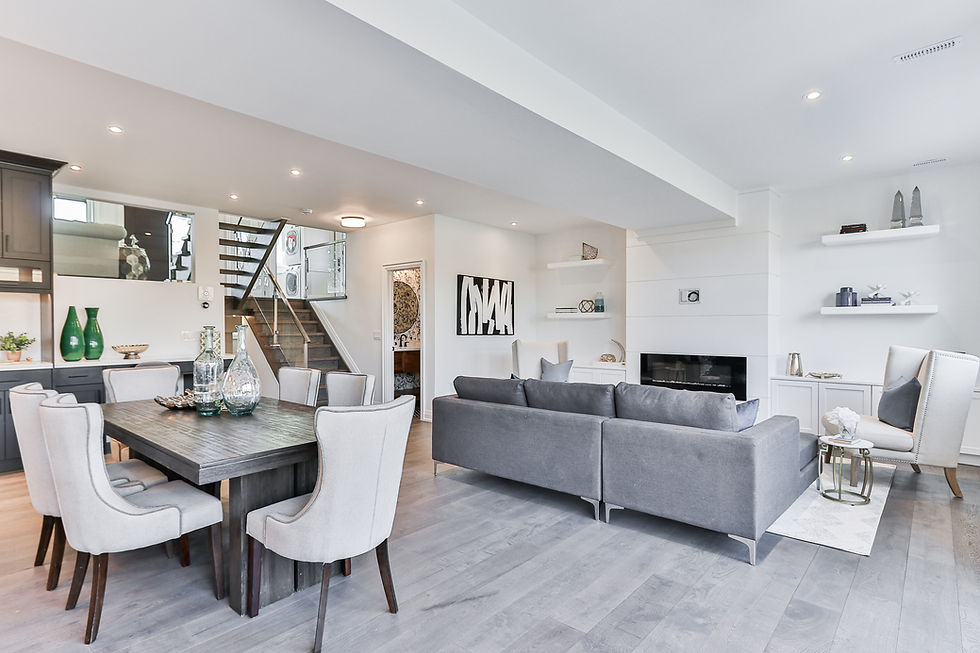
Think honey oak finishes, soft walnut shades and medium wood tones that bring warmth into a room without feeling overly rustic. These work especially well if you want your home to feel welcoming and timeless. One company embracing this shift is Shaw Floors, which has expanded its collections to feature warmer hardwood-inspired finishes and neutral earth tones for a soft visual backdrop.

2. Wall-to-Wall Plush Carpet Is Losing Ground, and Textured Low-Pile Carpet Is Replacing It
Heavy plush carpeting throughout an entire house is no longer as popular as it once was. While comfort still matters, homeowners increasingly want flooring that feels easier to clean and more modern. Instead of plain carpet, textured options are gaining popularity, especially in bedrooms and upstairs areas.
These carpets provide softness underfoot while being easier to maintain and less likely to show wear patterns. Mohawk Flooring showcases this trend through carpet collections focused on texture and durability.

Many homeowners are also mixing flooring types, using carpet only where warmth and softness matter most, while choosing hard surfaces elsewhere. Bedrooms, nurseries and media rooms often benefit from softer flooring. Kitchens, bathrooms and mudrooms generally perform better with more moisture-resistant materials.
During colder weather or in cooler climates, carpet tends to retain warmth more effectively than many hard flooring surfaces, helping rooms feel more comfortable and supporting energy efficiency. It also creates a softer, more comfortable surface for sitting, playing or working while giving a space a warmer overall feel.

3. Glossy Hardwood Is Falling Out of Favor, but Matte and Low-Sheen Finishes Are Taking Over
Hardwood is popular for its timeless appeal and natural beauty. However, highly polished finishes are losing their charm. They once represented luxury, but many homeowners are now moving away from the glossy appearance.

While they can look beautiful in staged spaces, polished finishes tend to show scratches, dust and footprints more easily, which makes everyday upkeep feel more noticeable. Also, they can be slippery, which is dangerous for families with children.
Matte and low-sheen finishes are becoming the preferred option. These floors create a softer, more natural look that feels less formal and works well with today’s warmer interiors. They also pair more easily with mixed materials like stone, linen and textured fabrics. One company leaning into this trend is Mannington Floors, which offers hardwood collections with lower-sheen finishes that feel more relaxed and lived-in without sacrificing durability.

4. Purpose-Driven Flooring Is Replacing Uniform Flooring Throughout the House
For a while, many homeowners sought a seamless look by using a single flooring type throughout the house. While consistency can still work, more people are realizing that different rooms have different needs. Purpose-driven flooring is becoming more popular, which means choosing materials based on how a room functions rather than forcing a single style everywhere.

Durable tile or waterproof luxury vinyl works well in bathrooms, kitchens and laundry rooms, while softer flooring can make bedrooms feel warmer and more comfortable. Hardwood and engineered wood remain popular in living spaces where appearance matters just as much as durability. Daltile reflects this room-by-room mindset, offering tile collections designed for moisture-prone spaces while still coordinating visually with wood-inspired flooring in other parts of the home.

What to Know Before Installing New Flooring
Before new flooring goes in, preparation matters just as much as the material itself. Older flooring may need careful removal if water damage or uneven subfloors are involved. Prying up glue or old tiles may reveal uneven surfaces that need leveling before installation begins. In some older homes, professional inspections may also be recommended before making any changes.

Moisture control is another important part of floor preparation. Air movement accounts for more than 98% of water vapor movement in building cavities, meaning uncontrolled moisture can travel quickly through gaps and affect flooring materials over time.
Insulation helps reduce heat transfer, which can moderate temperature differences and reduce the likelihood of condensation. It also supports energy efficiency, which is becoming a core expectation in real estate trends. Underlayment is another useful tool to control moisture.
Discovering the types of flooring that require underlayment or whether flooring needs underlayment is key to your renovation. In many cases, floating laminate, engineered hardwood and some luxury vinyl plank systems use underlayment depending on manufacturer requirements and subfloor conditions.

Underlayment can serve different purposes depending on the product selected and the installation environment. One example is floorMuffler®, which provides acoustic performance and moisture protection for supported flooring systems. They will work with the different types of flooring that require underlayment to allow homeowners to design the home of their dreams with the added protection.
Its compression characteristics are designed to support flooring systems and help minimize damage to them. Installation needs vary, so it is always worth checking the manufacturer's instructions to confirm which flooring types require underlayment for your specific project.
FAQ
Discover more about the types of flooring that require underlayment and flooring trends.
Can you install new flooring over old flooring?
Sometimes, yes. Certain flooring products can be installed over existing surfaces if the subfloor is level, stable and free from moisture issues. However, damaged tile, uneven surfaces or worn carpet often need to be removed first.

What flooring works best for homes with pets?
Scratch-resistant luxury vinyl plank, textured laminate and tile are often popular options for pet owners because they tend to handle wear and cleanup more easily than softer materials.

Does every floor need the same preparation before installation?
No. Different materials have different installation requirements. Some floors may require leveling, moisture testing or underlayment, while others can be installed more directly over an existing prepared surface.

What types of flooring require underlayment?
Most types of flooring require underlayment because it acts as a buffer between the floor covering and subfloor. This helps create a smooth, even surface for the covering. The only time an underlayment is advised against is when a floor covering comes with one already attached or if the floor will be directly attached to the subfloor.

Flooring Trends Come and Go, but Practical Choices Last
Flooring trends will always evolve, but the best updates balance style with practicality. The goal is to create spaces that feel comfortable, functional and easy to live in. As you plan your next renovation, consider where each flooring material works best, whether flooring that needs underlayment applies to your project and what preparation work may be required before installation begins. When style and function work together, your flooring is much more likely to feel current for years to come.


