
Beyond Safari Chic: The Real Influence of African Design on Contemporary Interiors

Mention African interior design and many people still picture the same old stereotypes: a zebra-print rug, a carved giraffe in the corner, and a wall painted the colour of the Serengeti at sunset.
It’s a pity, really, because the true design language of Africa has little to do with theme and everything to do with texture, form, and the rhythm of making. It’s not a style that performs — it breathes.

Material Honesty and the Beauty of Imperfection
At its heart, African design celebrates honesty. Materials are shown for what they are — wood is left warm and imperfect, clay carries its own grain, and metal retains its hand-forged irregularities.
The result is design with pulse and presence. It’s not about achieving perfection but about finding balance between human hand and natural form. In a world of over-polished interiors and machine finishes, that grounded authenticity feels like oxygen.

Global Influence, Local Interpretation
What makes this approach so quietly powerful is its universality. You don’t need to live in Nairobi or Marrakech to feel its influence.
Contemporary designers across the world have borrowed from Africa’s visual rhythm — sculptural furniture, woven textures, sunbaked palettes — and translated them into interiors that feel calm, tactile, and deeply rooted in nature.
The difference is that, when done with care, these influences don’t mimic; they interpret.
Craft as Storytelling
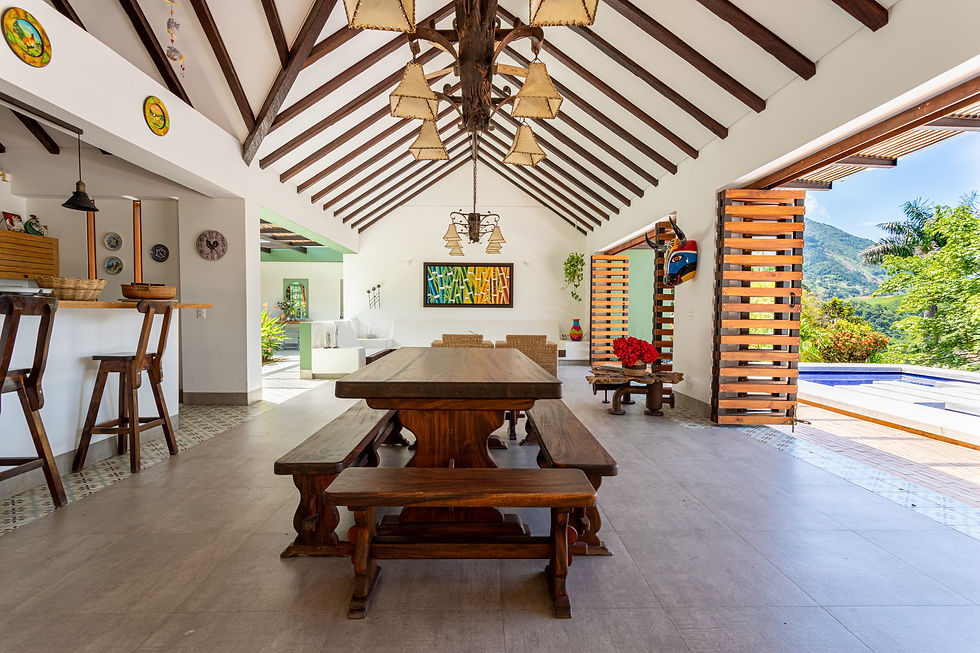
Consider the growing appeal of handcrafted pieces — clay vessels with irregular silhouettes, wooden stools that double as sculpture, or woven lighting that casts shifting shadows across a room.
These elements speak to the African ethos of design as storytelling. Every piece has a heartbeat, a trace of the maker’s hand. And when placed within a contemporary setting — clean-lined architecture, muted tones, open space — they create a dialogue between raw and refined.

Colour That Grounds, Not Shouts
Colour plays its part too, but not in the way the clichés would suggest. African design isn’t always bold and bright; in fact, many interiors are grounded in earth tones — ochre, sand, umber, rust.
These hues have an organic warmth that brings softness to even the most architectural spaces. The colours feel lived-in, sun-touched, and human.

Texture Over Pattern
Texture, more than pattern, is where the magic lies. It’s the grain of carved timber, the weave of handspun fibres, the matte finish of burnished clay.
Layering these tactile surfaces brings depth without clutter — a lesson many contemporary interiors could learn from. It’s proof that richness doesn’t come from accumulation, but from authenticity.

A Design Philosophy That Feels Alive
Ultimately, the real influence of African design lies not in decoration but in philosophy. It’s a way of seeing the home as a living, breathing space rather than a showroom. It’s about connection — to craft, to nature, to time. And that’s something every interior, wherever it’s located, can benefit from.
Beyond the safari clichés lies a design language that’s earthy, sculptural, and quietly soulful — design that feels not curated, but alive.


