
Chrome Is Back. Unfortunately, I Remember It The First Time Around

Chrome is absolutely everywhere right now, and I have tried to be mature about it. I’ve saved interiors featuring chrome tables, admired some very sexy chrome lighting and even caught myself looking twice at a shiny silver chair. Designers are doing genuinely beautiful things with it, so I can’t dismiss the whole thing as some horrible trend that will disappear by Christmas.
If you love chrome, this is very much your time.

The problem is that no matter how beautifully it is styled, part of my brain still sees a smoked-glass dining table, black leather chairs and something involving a fern in the corner.

Chrome Is Having A Very Good Year
This isn’t just Instagram feeding me chrome because I accidentally lingered over one lamp for three seconds. Chrome, stainless steel and aluminium have been creeping back into interiors for a while, and by 2026 they are properly established.
At Milan Design Week this year, metal was everywhere again, although much of it was softer and more sculptural than the hard industrial versions we’ve seen before. Chrome is being paired with marble, timber, glass, bouclé and sheepskin, which admittedly makes it considerably harder for me to argue that it belongs exclusively in an office reception circa 1986.
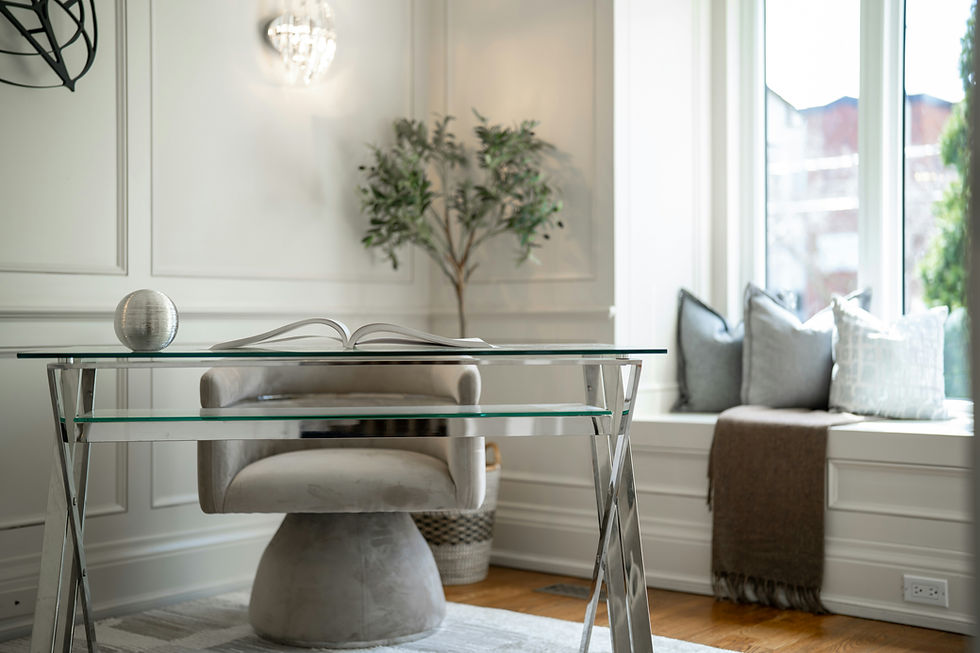
Even Pinterest has chrome firmly involved in its 2026 Neo Deco trend, while designers are talking about its return after years of warmer, matt finishes dominating interiors. And I do understand the appeal. After years of beige, brass, brushed gold and everything being deliberately soft and earthy, something cold and shiny feels quite fresh.
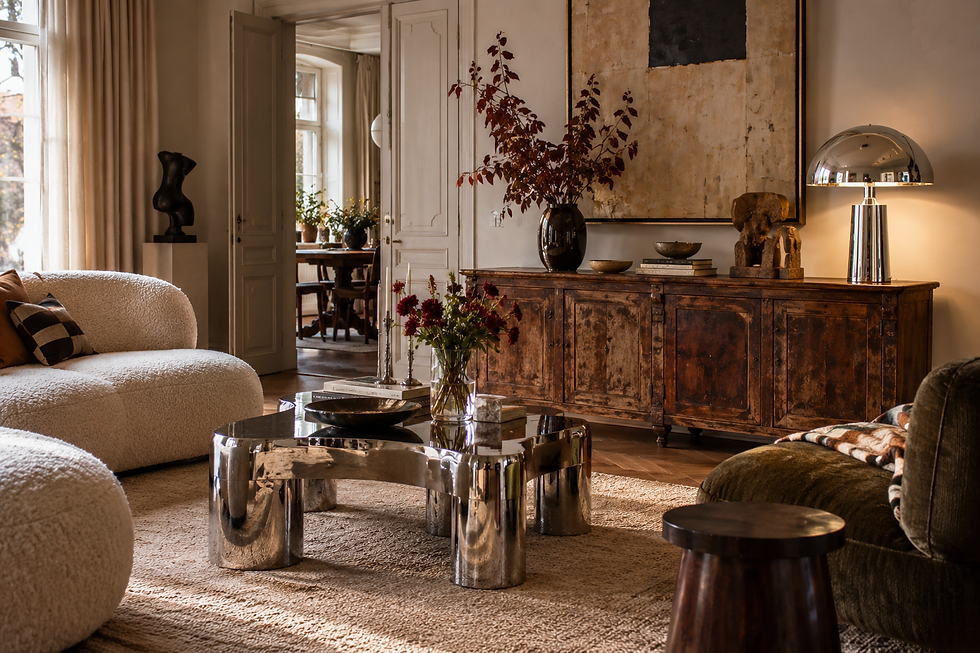
A chrome lamp beside an old timber cabinet can look fantastic, and a sculptural silver table in an otherwise warm room gives you exactly the sort of contrast I normally love. I can see all of that with my own eyes and still not want it in my house.
Unfortunately, Chrome Has Baggage
Technically, blaming the 80s for chrome is a bit unfair because it had already been around for decades. Marcel Breuer was making tubular-steel furniture at the Bauhaus in the 1920s, including the famous Wassily chair, inspired partly by the construction of a bicycle frame.

Chrome and tubular steel were radical then because they looked industrial, clean and completely different from traditional furniture. The V&A describes those shiny metal surfaces as part of the deliberately mechanistic look of Modernism, which sounds considerably more intellectual than my personal description of “that chair from every fashionable waiting room”.
Then it came back. Chrome had a big revival in the 1970s, and by the time the 80s arrived, shiny metal was happily living alongside smoked glass, black leather, lacquer, geometric shapes and all the other things that now make me think of Dynasty.
The decade also gave us the flamboyant Memphis movement and a general enthusiasm for furniture that very much wanted you to notice it. I was there, and while I obviously wasn’t critiquing interior design trends as a child, I have enough visual memory of the decade to know I don’t particularly want to recreate it.
I Know It Looks Good. That’s The Annoying Part
I’ve seen chrome interiors recently that are absolutely stunning. Not stunning for chrome, but genuinely stunning. A beautiful chrome side table with an odd shape, a huge silver pendant over a timber dining table, or one of those low chrome chairs upholstered in something soft and slightly ridiculous can make an interior much more interesting.
The current version is also less about matching your coffee table to your dining chairs to your shelving unit, which is probably why it looks so much better than the chrome I remember.
That seems to be part of the reason it works again. Rather than treating chrome as an entire decorating scheme, designers are mixing its cold reflective finish with materials that have age, texture and warmth.
Even the very committed versions are interesting: London restaurant Noisy Oyster has gone heavily into high-shine silver and industrial finishes, and somehow it looks deliberate and futuristic rather than like somebody has opened a nightclub in an old bank.

I can admire it. I can photograph it. I might even save it to Pinterest. I just don’t particularly want to live with it.

Perhaps You Had To Be There The First Time
Trends become much easier to embrace when you don’t remember their previous incarnation. If your first encounter with tubular chrome is a beautifully styled apartment in Copenhagen, you’re probably seeing clean lines, reflection and a nice bit of tension against all that warm timber.
If you remember chrome-legged dining chairs from the 80s, you may be seeing something else entirely. This is presumably how younger generations can wear clothes that make me think, “I had that exact outfit when I was fourteen,” while believing they have discovered something entirely new.
And perhaps that is my real problem with chrome. It doesn’t feel retro enough to be charmingly old to me. I can happily bring home something from the 60s or 70s and enjoy all the associations that come with it, but the 80s still feel suspiciously recent, despite the increasingly offensive mathematics involved.
It doesn’t feel retro enough to be charmingly old to me.
Never Say Never, Though
I’ve learned not to make sweeping declarations about interiors because they tend to come back and bite you. There is probably a chrome lamp out there that could break me, and judging by what designers are producing at the moment, chances are reasonably high that I’ll eventually find it.
I can imagine one small chrome piece sneaking into my house because it looks brilliant next to something old, colourful or slightly battered. I just cannot see myself going much further than that.

So yes, chrome is back, it is properly fashionable and some of it looks annoyingly good. If you love it, this is very much your time, because there has probably never been more beautiful chrome furniture and lighting to choose from. I’ll be over here admiring yours while sticking with materials that don’t remind me of the decade that gave us shoulder pads, smoked glass and enough hairspray to compromise the ozone layer.


