
How To Choose The Right Counter Stool Height For A Kitchen Island

Choosing the right counter stool height sounds straightforward enough. You measure your island, buy some stools, slide them underneath, and call it a day. In reality, it is one of those deceptively small design decisions that can make a surprising difference to how a kitchen actually works.
When the proportions are right, the island becomes the natural gathering point of the house. People sit there with morning coffee, linger with a glass of wine while someone cooks, or turn it into the unofficial homework station of the household. When the stool height is wrong, something feels slightly awkward. People perch for a moment, shuffle around a bit, and eventually give up and stand.

I have seen plenty of beautiful kitchens paired with stools that were just slightly off. Nothing dramatically wrong. Just enough to make everyone feel faintly uncomfortable without quite knowing why. Usually, the culprit is confusion between counter stools and bar stools, or simply not checking the seat height properly before ordering online.
Once you understand the basic measurements, choosing the right stool height becomes much easier.
What Height Stool Do You Need For A Kitchen Island?
If you are wondering what height stool works best for a kitchen island, the key measurement is the space between the seat of the stool and the underside of the counter.
Ideally, you want around 25 to 30 cm (10 to 12 inches) of clearance. That gap gives people enough legroom to sit comfortably, shift position slightly, and lean onto the counter without feeling wedged underneath.
For most kitchens, the measurements look like this:
Kitchen Counter Height: 90–92 cm (35–36 inches)
Ideal Counter Stool Seat Height: 65–67 cm (25–26 inches)
Bar Counter Height: 100–105 cm (39–41 inches)
Ideal Bar Stool Seat Height: 73–77 cm (29–30 inches)
These numbers simply follow the 25–30 cm rule between the seat and the underside of the counter.

Counter Stool Height vs Bar Stool Height
One of the most common mistakes when choosing stools is confusing counter stool height with bar stool height.
A standard kitchen island or kitchen counter usually sits around 90 to 92 cm (35 to 36 inches) high. This height pairs with counter stools, which typically have seat heights around 65 to 67 cm (25 to 26 inches).
A bar height counter, which you often see in restaurants or home bars, is taller at around 100 to 105 cm (39 to 41 inches). These require bar stools, with seat heights around 73 to 77 cm (29 to 30 inches).
The difference might only be a few centimetres, but it changes the entire sitting experience. Sit on bar stools at a kitchen island and you suddenly feel like a child who has been hoisted onto a tall chair at the grown-ups’ table. Sit on counter stools at a bar height counter and you spend the evening hovering awkwardly below the worktop, wondering where your elbows are supposed to go.

Always Check Seat Height When Buying Stools Online
Another reason stool heights often go wrong is that retailers do not always use the same terminology. One shop might label something a bar stool while another lists the same height as counter seating.
For that reason, the safest approach is always to ignore the product label for a moment and check the seat height in the specifications.
This is especially important when buying stools online. Photos can be surprisingly deceptive. Two stools can look almost identical in images while their seat heights differ by several centimetres. One arrives and fits neatly under your island. The other arrives and suddenly everyone in your kitchen looks like they are sitting at a sports bar. The seat height measurement is the number that tells the real story.
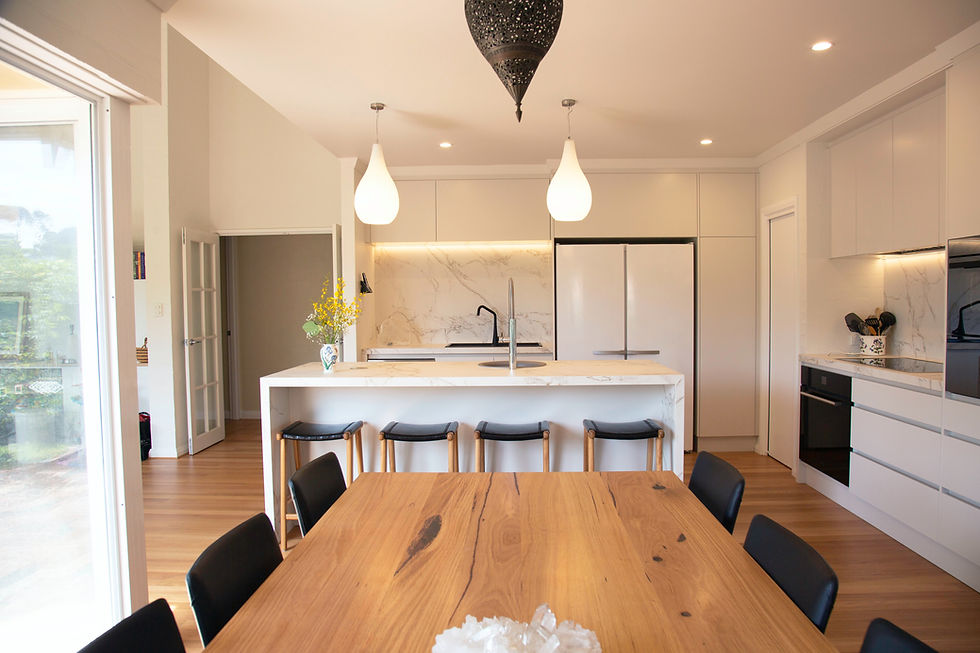
Measure The Underside Of The Counter
When determining the right stool height for a kitchen island, people often measure from the floor to the top of the countertop. That is not actually the measurement that matters.
Your knees interact with the underside of the counter, not the top.
Stone, ceramic, or quartz worktops can easily add 3 to 5 cm (1 to 2 inches) of thickness. If your island includes drawers, panels, or integrated lighting underneath the counter, those features also reduce the available legroom.
The safest way to measure is from the floor to the lowest point under the counter, because that determines how much space your knees will actually have.

Counter Overhang And Seating Comfort
Even when the stool height is technically correct, seating can still feel uncomfortable if the counter overhang is too small.
A comfortable kitchen island usually has an overhang of around 25 to 30 cm (10 to 12 inches). This projection gives people enough room for their knees without pressing into the cabinetry behind the counter.
If the overhang is shallow, stools can feel tighter against the cabinets. In those situations, slightly lower stools sometimes improve comfort simply because they create a little more knee clearance.

Backless Stools vs Stools With Backs
The design of the stool itself can also influence how the height feels. Backless stools tend to slide neatly underneath the counter, which means the seat height becomes the main measurement that matters.
Stools with backs behave a little differently. Because the backrest prevents them from tucking fully under the counter, people often sit slightly further away from the island. In many kitchens, that means a stool that is marginally lower feels more comfortable.

Footrests Matter More Than You Think
When browsing stools, it is easy to focus only on the seat height and overlook the footrest. However, the position of the footrest has a noticeable effect on comfort.
If your feet cannot comfortably reach it, you will notice it quickly. Your legs start dangling, pressure builds under your thighs, and suddenly the stool becomes somewhere you perch for three minutes rather than somewhere you happily sit through an entire conversation.
A comfortable proportion is usually when the footrest sits around 30 to 40 cm (12 to 16 inches) below the seat.
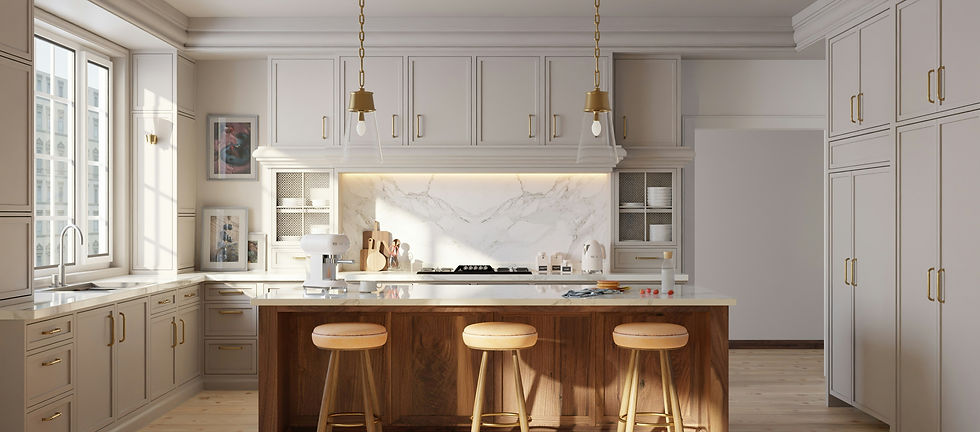
Adjustable Stools And When They Make Sense
Adjustable stools often appear to solve the counter stool versus bar stool question in one go. Because the seat height can be changed, they can work for different counter heights.

However, they tend to look more contemporary and are often bulkier than fixed-height stools. They also do not always slide neatly underneath a kitchen island.

In many kitchens, fixed-height stools create a calmer and more considered look. Adjustable stools can still be useful if the counter height is unusual or if children regularly use the seating.
The Sit Test
Even when all the measurements look correct on paper, there is still one final step that matters.
Sit.
In a showroom, notice how your arms rest on the counter, whether your knees have enough space underneath, and whether your feet comfortably reach the footrest. Those small details reveal very quickly whether the proportions are right.

A Small Detail That Changes How Your Kitchen Is Used
Kitchen stools are rarely the main design feature in a space. Cabinets, lighting, and materials usually take that role. Yet the height of the stools has a surprisingly large influence on how an island is actually used.
When the proportions work, people naturally gather there for coffee, casual meals, and conversations while someone cooks. When the height is slightly off, the island may still look beautiful but it never quite becomes the place people linger.
A few centimetres, it turns out, can make the difference between a kitchen island people admire and one people actually use.
Frequently Asked Questions About Counter Stool Height
What height stool is best for a 90 cm kitchen counter?
For a standard kitchen counter around 90 cm (36 inches) high, stools with a seat height of about 65 to 67 cm (25 to 26 inches) work best. This leaves roughly 25 to 30 cm (10 to 12 inches) between the seat and the underside of the counter, which provides comfortable legroom.
What is the difference between bar stools and counter stools?
Counter stools are designed for counters around 90–92 cm (35–36 inches) high and usually have seat heights around 65–67 cm (25–26 inches). Bar stools are taller and are designed for bar height counters around 100–105 cm (39–41 inches), with seat heights around 73–77 cm (29–30 inches).
How much space should there be between a stool and the counter?
Ideally, there should be about 25–30 cm (10–12 inches) between the seat of the stool and the underside of the counter. This gives people enough room to sit comfortably and move their legs without feeling squeezed under the counter.


