
The Interiors Hidden Inside Taylor Swift Lyrics

Taylor Swift does not write about interiors — not literally. Yet her songs are full of rooms. Kitchens at midnight. Bedrooms where decisions land heavily. Hallways that echo with footsteps leaving. Living rooms that hold decades of arguments and reconciliations. Cars become confession booths. Corners become turning points.
She builds spaces emotionally, not architecturally — and somehow, we recognise every one of them. This is not a guide to decorating like a Swiftie (no themed bedrooms, no framed lyrics). This is about the interior worlds her albums sketch, and why they feel so uncannily familiar.

Fearless, Speak Now & Red: The Teenage Bedrooms and First Apartments of Growing Up
Her early albums are basically filmed inside bedrooms — filled with posters, fairy lights, mismatched bedding and the absolute devotion of choosing a wall colour as if your entire identity depends on it.
These are rooms full of late-night phone calls, scribbled notebooks, the guitar leaned permanently against the wall, and the kind of earnest clutter that only exists when you’re still forming who you are.
They’re not beautifully styled. They don’t need to be. They’re pure, emotional interior design — spaces built from longing, hope, certainty and absolute melodrama. You can almost see the carpet worn thin from pacing.

By Red, the space shifts. Suddenly, we’re in first apartments — quiet kitchens with mugs left out, living rooms full of moving boxes, doorways where someone leaves before you realise the conversation is over.
These spaces are transitional by nature: you haven’t grown into them yet, and you already know you won’t stay forever.
1989: The Clean, Metropolitan Apartment
Once we hit 1989, the interiors sharpen.
You can almost picture a minimalist apartment with crisp lines, large windows, a skyline in the distance and a certain curated modernity that comes from living in a city long enough to adapt to its pace. This is the era of polished surfaces and deliberately chosen details — not cold, but composed.

Stillness that only exists when the noise is outside.
A chaise lounge positioned perfectly near a window.
The quiet that follows reinvention.
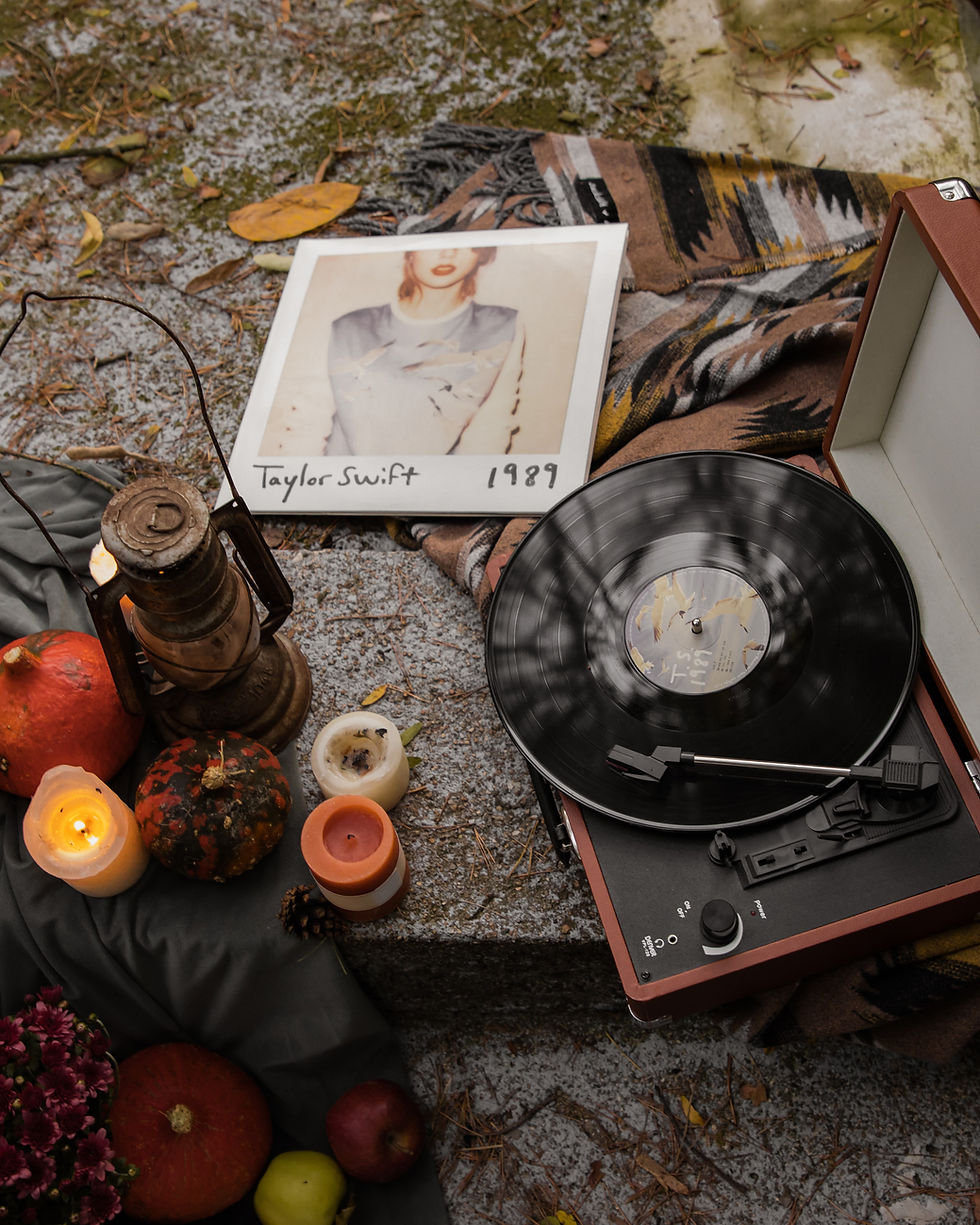
Reputation: The Moody, Low-Lit Hideout
The mood changes completely in Reputation. Here, the interiors feel darker, more cinematic — low lighting, shadows on the wall, rooms you stay in intentionally because the outside world is too loud.
Think metal accents, deeper tones, dramatic contrasts, rooms where privacy becomes the ultimate luxury. This is a home designed like armour: stylish, protective, intentionally selective about who gets in.
The interiors of this era feel like the spaces where you close the blinds, pour a drink, and let the world talk while you remain unreachable.
This is a home designed like armour: stylish, protective, intentionally selective about who gets in.

Lover: The Colour-Washed Daydream
Then Lover arrives, and everything softens. Suddenly, the home feels like a palette washed in pastels, warm sunlight and the domestic quiet of choosing love on ordinary days.
It’s the era of cosy kitchens, shared breakfasts, soft textiles, and colours that look like they were chosen in a good mood. It’s the emotional equivalent of repainting your walls because life finally feels gentle again.
The spaces feel lived in, safe, lightly romantic — but not overly sentimental. As if someone opened the curtains and let all the light back in.
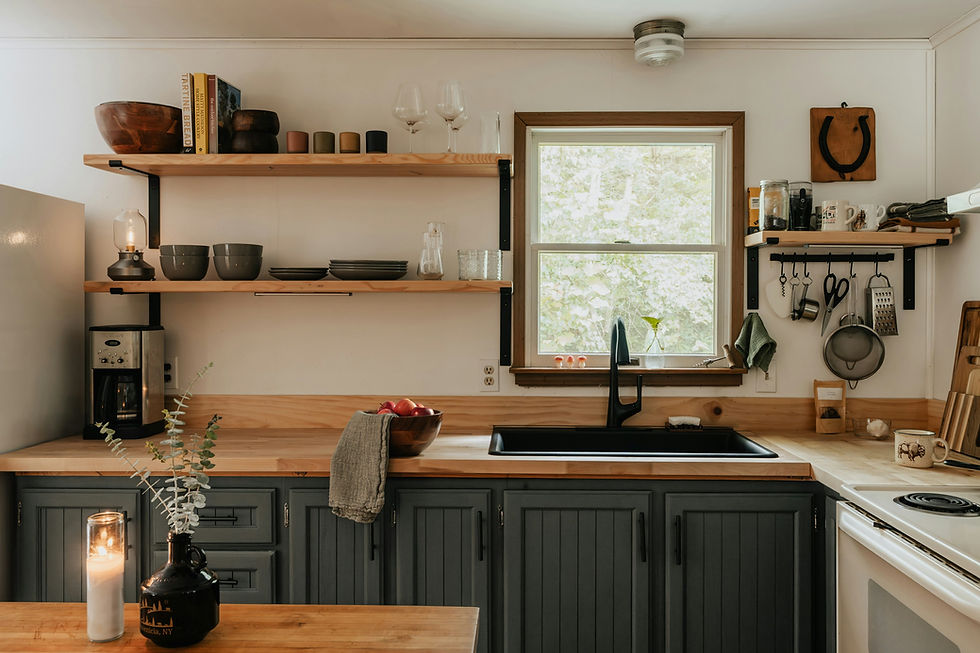
Folklore & Evermore: The Cottagecore Stillness
These two belong together — twin houses built in the same forest.
Here, the interiors echo with wood tones, worn fabrics, handwritten letters on old desks, windows that look onto pine trees, and the kind of stillness you only find far from cities. Cabins, attics, porches, candlelit rooms — the spaces of folklore aren’t styled; they’re inhabited.
Furniture is mismatched, but with intention.
Shelves hold stories.
Textures matter more than trends.
The spaces of folklore aren’t styled; they’re inhabited.
It’s design by feeling — not rules.

Midnights: The Insomniac’s Retro Apartment
Midnights feels less like a sleek contemporary flat and far more like a nostalgic, mid-century retreat — the kind of moody, lamp-lit apartment you see in the Anti-Hero video. Low vintage sideboards, warm pools of light, patterned rugs under bare feet at 1 am, and colours that sit somewhere between midnight teal, aubergine and smoky gold.
It’s not polished — it’s lived through.
It’s a space made for overthinking and self-reflection, where mirrors catch you from strange angles, and the living room looks its best long after everyone else is asleep.

The Tortured Poets Department: The Dark, Literary Mindspace
The Tortured Poets Department belongs in a room that feels heavier and more introspective than simple “creative chaos”. Think inky tones, dimmed lighting, a desk cluttered not with mess but with emotional residue — open notebooks, half-drunk coffee, the feeling that the air itself is annotated.
It isn’t messy — it’s unfinished.
It’s a monochrome, restless space, part writing room, part confessional, with enough darkness to hold the album’s tension, frustration, and bruised honesty. A place where every object looks like it has been debated with.
If the earlier albums built homes, this one builds a writing room — personal, intellectual, slightly haunted by its own honesty.

The Life of a Showgirl: The Velvet, Glittering Dressing Room
Her newest era shifts the interior once again:
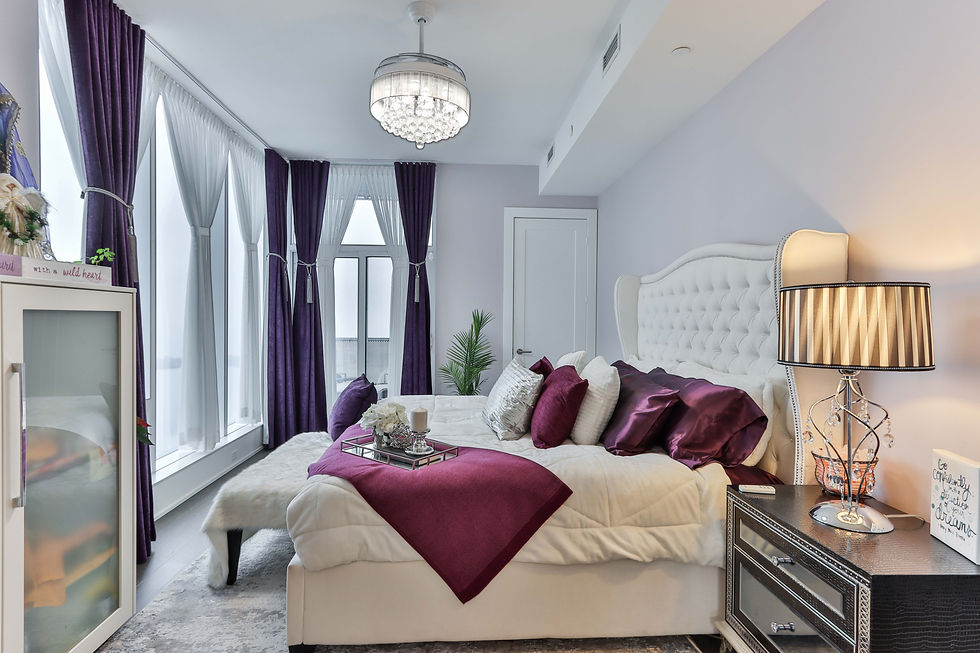
Think backstage glamour — velvet curtains, warm lighting bulbs around a mirror, an extravagant chaise, glossy surfaces, satin textures, stage-ready sparkle.
It’s theatrical but not fragile.
A space designed for transformation.
A room that knows exactly what it’s worth.
There is confidence in every corner, an intentional dramatic flourish. It is maximalism, but controlled — glamour with discipline.
Why Swift’s Interiors Feel So Real
Swift builds emotional architecture.
Because they’re not about furniture. They’re about feelings we recognise:
the tension in a hallway
the calm of a kitchen after midnight
the bedroom where you become someone new
the car where truths spill too easily
the living room that holds the weight of goodbye
Swift builds emotional architecture.
We fill in the floor plans of the ones we already inhabit.


