
When Timeless Interior Design Becomes An Excuse For Playing It Safe

Timeless is one of the most overused and misunderstood words in interior design. It is often presented as the gold standard, the sensible choice, the option you will never regret.
In reality, timeless is not a style. It is an intention. And when misunderstood, it quietly becomes an excuse for avoiding decisions altogether.
Timeless is not a style. It is an intention.

How Timeless Slowly Turned Into Safe
Many people say they want a timeless interior when what they really mean is that they are afraid of getting it wrong. Timeless sounds reassuring. It suggests longevity, good taste, and maturity.
In practice, it often translates into the same safe decisions repeated over and over again. Beige kitchens with stone worktops chosen because they will offend no one, sofas in sensible shades because colour feels risky, and artwork selected simply to occupy wall space. The result is an interior that feels polite rather than personal, designed to upset no one and quietly disengage the people who actually live there.
The result is an interior that feels polite rather than personal, designed to upset no one.

Timeless Does Not Mean Invisible
A timeless interior still has character. It still makes choices. It simply avoids relying on trends to do the work.
When everything blends in, nothing anchors the space. When every element is chosen to be unobtrusive, the room loses its point of view. Longevity does not come from being forgettable.

Why Playing It Safe Often Dates Faster
Ironically, interiors designed to be as safe as possible often age more quickly. They are built around what feels broadly acceptable at a specific moment, rather than what genuinely reflects the people living there.
Think of all-white kitchens that felt sensible ten years ago and now feel tired, or grey floors installed for resale value that no one particularly enjoys living with. Trends shift, but personal logic tends to last longer. A home that makes sense to you will hold up better in the long term than one designed to appeal to an imaginary future buyer.

The Difference Between Trend-Led And Time-Tested
Timeless design is not about avoiding colour, contrast or opinion. It is about understanding why something works and committing to it.
Time-tested interiors usually share a few traits:
A clear hierarchy of elements
Materials that age well rather than photograph well
Decisions based on use rather than novelty
A consistent underlying logic
They are not neutral by default. They are intentional.
Where Most Timeless Schemes Fall Apart
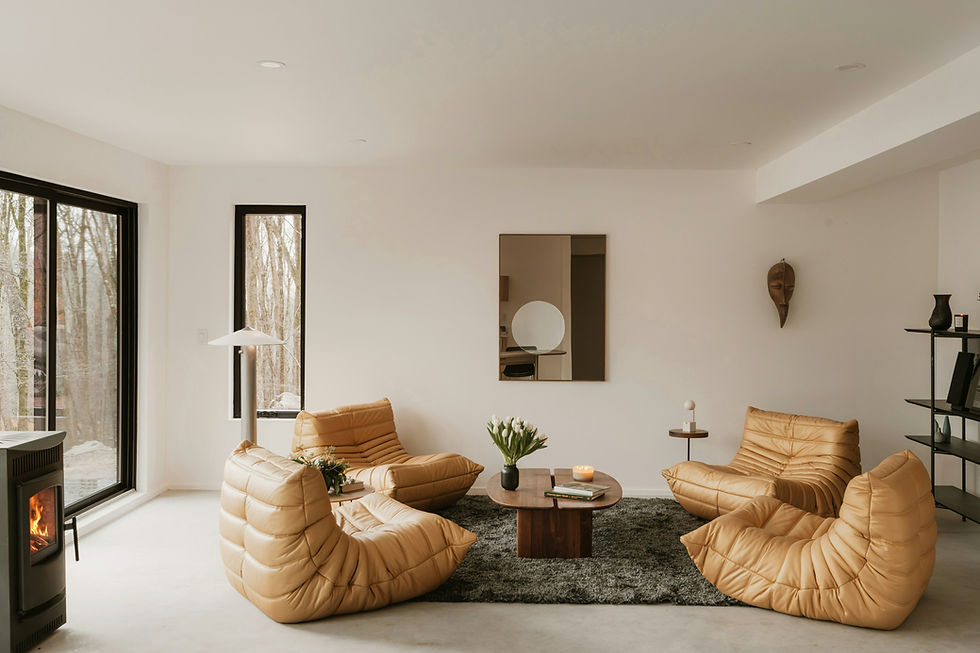
Timeless interiors often fail when restraint is applied evenly everywhere. If nothing stands out, nothing grounds the space.
This is where you see rooms with matching neutrals, matching finishes, matching tones, and very little tension. Everything behaves. Contrast, depth and emphasis are quietly removed in the name of longevity. The result is a space that looks correct but feels forgettable. These are rooms that photograph well, but are strangely hard to remember.
How To Design For Longevity Without Playing It Safe
Designing a home that lasts does not mean stripping it of personality. It means choosing what matters and committing to it.
A few practical ways to do that:
Choose one or two elements to be expressive and let the rest support them, such as a bold rug, a strong piece of art, or a confident colour choice
Invest in materials that improve with age, like timber, stone and metals that develop character rather than looking worn
Avoid designing for resale unless you are actually selling
Question choices that exist purely to feel safe
Design for how you live day-to-day, not how a room might be judged online

Timeless Should Feel Grounded, Not Cautious
A timeless home does not feel bland or anonymous. It feels considered, confident and settled.
If a space feels too safe to be memorable, it may not be timeless at all. It may simply be unfinished in a different way.


