
Why High Design Misses the Mark and 5 Ways to Replace It With Lived-In Charm

You've scrolled past it a hundred times — a perfectly lit home on Instagram, every surface immaculate, furniture arranged just so, a color palette so cohesive it barely feels real. It looks stunning, and yet something about it feels wrong. It doesn't feel like anyone actually lives there. That gap between "beautiful" and "warm" is where high design tends to fall apart.
The gap between "beautiful" and "warm" is where high design tends to fall apart.

When a Beautiful Home Feels Empty
At its worst, high design is a checklist. The problem isn't that these things look good. They often do, but a home built around a trend rather than a life reflects a moment in a magazine. These spaces are designed to be looked at, not lived in, and on some level, you feel that the moment you walk through the door.
There's also a subtle pressure that comes with a too-perfect home. When a space has been designed to look impeccable, it starts to feel like it needs to stay that way. It ends up serving the aesthetic rather than the people inside it. Real luxury is in the texture, time and story.

What Lived-In Charm Actually Means
Lived-in charm is a design approach that prioritizes personality over perfection and comfort over catalog appeal. It's what happens when a home genuinely reflects the people inside it, their travels, their history, their taste and their quirks.
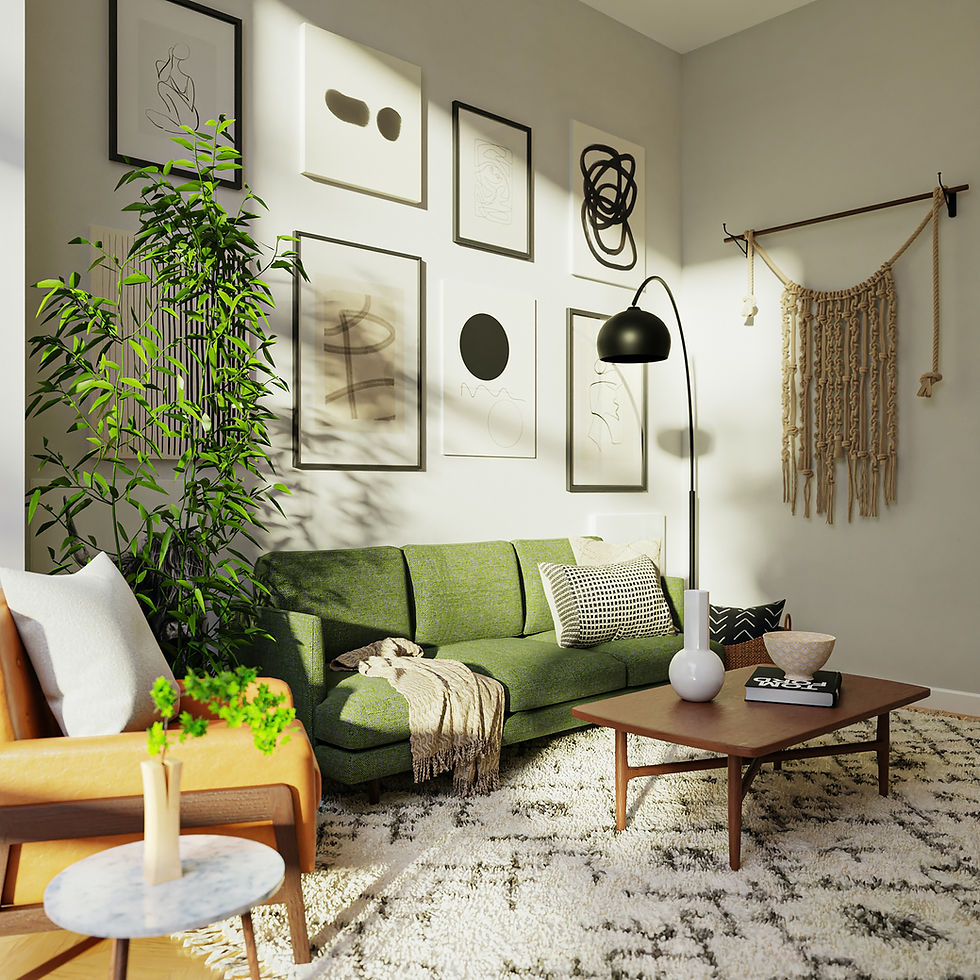
Think of a vintage sideboard sitting alongside a contemporary sofa, a well-worn rug that's seen a decade of Sunday mornings, bookshelves that are actually used and art on the walls that means something rather than just fills a gap.

Your home is one of the truest reflections of who you are. The objects you surround yourself with communicate your values and identity, shaping how you feel every day. A space styled to look like someone else's vision of perfection simply can't do that job.
Lived-in charm doesn't mean abandoning design principles, either. Balance, scale and color harmony still matter. The difference is in what you're working with. Good design thinking applied to objects that actually mean something is the real sweet spot.
5 Ways to Replace High Design With Lived-In Charm
The good news is that none of this requires starting from scratch. Small, intentional shifts tend to have more impact than a full overhaul. Here are five places to start.
Swap Decorating for Curating
There's a real difference between decorating a home and curating one. Decorating is often about filling space, finding something that fits the corner, matching the throw to the curtains or overall ticking boxes. Curating is about intention.
Start by asking whether each object on display actually earns its place. A souvenir from a trip that changed your life, a photo that makes you smile every time you notice it and a hand-thrown bowl from a market you love carry a quality that mass-produced decorative objects simply don't. Swap out the filler for the meaningful and watch a room shift.

Find the Beauty in Imperfection
There's a Japanese concept called wabi-sabi — a way of finding beauty in things that are imperfect, impermanent and a little worn at the edges. It's why a weathered leather chair often reads as more beautiful than a pristine one, and why linen that creases easily tends to feel richer than fabric that doesn't.
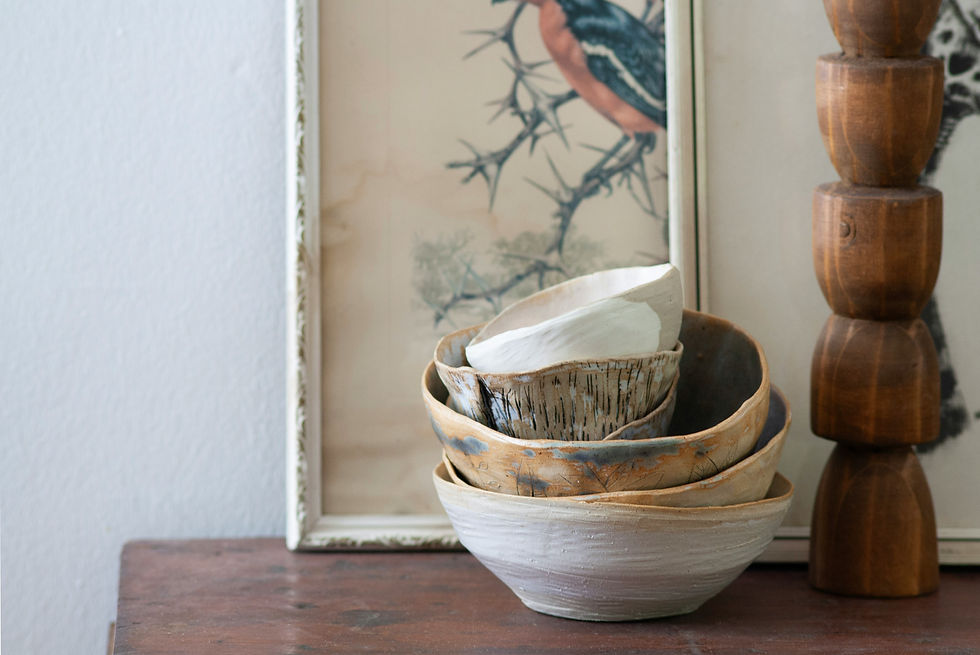
Materials that age well are your best tools here. Solid wood, natural stone, leather, linen and rattan all develop a patina over time that makes them look more beautiful, not less. A vintage rug with wear in high-traffic areas and a wooden dining table with years of family dinners ingrained in its grain are the details that give a room soul.

Choosing things that carry meaning and a sense of history is also better for your well-being than a room full of objects that could belong to anyone. If you’re shopping for decor, consider thrifting. These pieces often have a lot more character, as well as evidence of being well-loved. People will often pass on quality furniture if it simply looks older, but if the bones are good, you can spruce it up with polish, new upholstery or a simple wipe-down.
Make Something No One Else Has
Nothing flattens a home's personality faster than rooms full of furniture that could have come from anyone's house. If everything in your space was sourced from the same three retailers, it reads that way.
One-of-a-kind pieces are the backbone of a home with real character, but you don't always need to spend a fortune to get them. Upcycling is one of the most effective ways to create a space that doesn't look like a catalog.
This kind of creative thinking can extend further than most people expect. There are inventive ways to repurpose materials like old doors into headboards, coffee tables and wall features. That resourceful, personal approach is exactly what lived-in charm looks like in practice.

Layer Texture and Light
Walk into any room that feels genuinely inviting, and you'll notice two things almost immediately. There's a variety of textures, and the lighting is warm and layered.
Texture creates visual and tactile richness. A chunky knit throw over a smooth linen sofa, a velvet cushion against a raw wood shelf or a woven basket beneath a glass table adds depth and makes a room feel considered rather than assembled.

Lighting is equally important, as artificial light can either improve or worsen your mood. A single overhead fixture is the enemy of atmosphere. Aim for multiple sources at different heights, like a floor lamp in a corner, table lamps on either side of a sofa and a picture light drawing attention to something you love. The goal is a warm, layered glow that makes a space feel like somewhere worth staying.

Let the Room Tell Your Story
The last shift is less about what you add and more about how you think. Every room in your home is a chance to say something about who you are and how you actually live. That might mean leaving the cookbook you're using out on the counter, or hanging a piece of art that raises an eyebrow rather than one that matches the sofa.
A space that tells your story doesn't need to be perfectly styled. It just needs to be genuinely yours.

A space that tells your story doesn't need to be perfectly styled. It just needs to be genuinely yours.
A Few Signs Your Home Might Be Missing Something
If you're not sure whether any of this applies, there are a few quiet indicators worth looking for:
Surfaces that feel filled rather than considered
Accessories without a clear purpose or story
Styling that looks like it could exist in any home
A space that feels finished but not particularly personal
These are usually the things people sense before they can put words to them.
The Real Fix
Most people assume the answer is buying something new. In reality, it's often about removing. Take a critical look at what's there purely to complete a look, and start there. Then focus on what actually adds something, like texture, contrast, age or meaning, or pieces that feel like they belong in your specific home rather than any home.

A space starts to feel right again when it stops trying to follow a styling rule and starts reflecting how it's actually lived in. That's something you can build, one considered choice at a time.


