
Can We Please Ban The Phrase “Clean, Modern And Simple”?

Every time I watch a renovation show, there’s one sentence I know is coming. It usually pops up somewhere between knocking down a wall and revealing a kitchen that somehow looks suspiciously similar to the one from last week’s episode.
The designer looks confidently into the camera and announces that they’re going for a “clean, modern and simple” look. By the third episode, I’ve heard it so many times that I start wondering whether there’s a script they’re all working from. It’s reached the point where the phrase gives me the ick every single time I hear it.

The funny thing is, I don’t even disagree with it. I like clean homes. I like modern interiors. I appreciate simplicity. My issue is that those three words have become so overused that they’ve stopped meaning anything at all. They sound reassuring, but they don’t tell you what a home is actually going to look like.
If I closed my eyes while listening, I wouldn’t have the faintest idea what they were about to create.

Three Words, A Thousand Different Homes
Here’s the problem. You could describe a warm Japandi home as clean, modern and simple. You could also use exactly the same words for a monochrome minimalist apartment, a contemporary farmhouse, a luxury villa or a Scandinavian family home. They all look completely different, yet somehow they all fit under the same description.
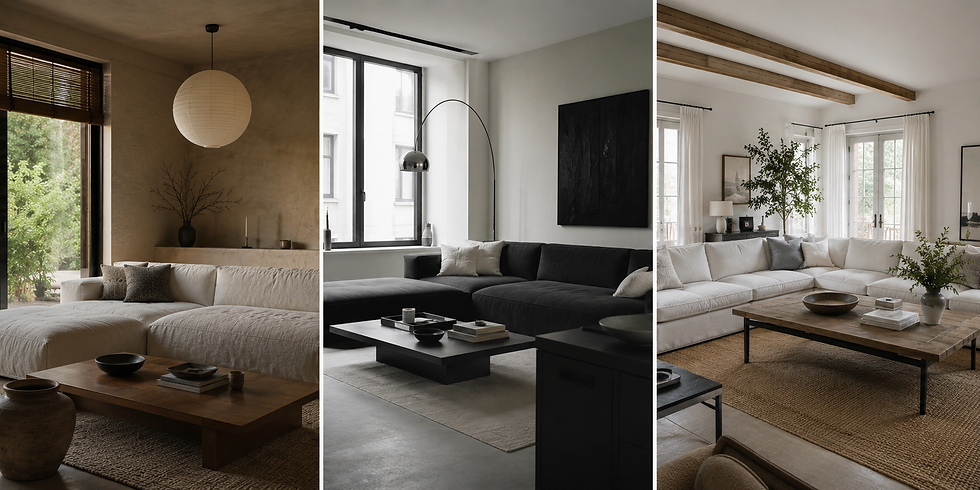
That should tell you something. If the same sentence can describe five entirely different interiors, it probably isn’t helping anyone make design decisions.
It’s become the design equivalent of saying your favourite music is “a bit of everything”. It sounds like an answer, but it doesn’t actually tell anyone who you are.

Safe Doesn’t Mean Useful
I suspect the reason we hear it so often is because it’s safe. Television rewards safe language. “Clean, modern and simple” is never going to upset anyone.
Saying you’re creating a home that’s moody, colourful, layered or filled with second-hand furniture is far more specific, but it also opens the door to people disagreeing with you.
The trouble is, many homeowners have adopted the phrase as well. They tell designers they want clean, modern and simple, believing they’ve clearly explained their style. In reality, they’ve explained almost nothing.
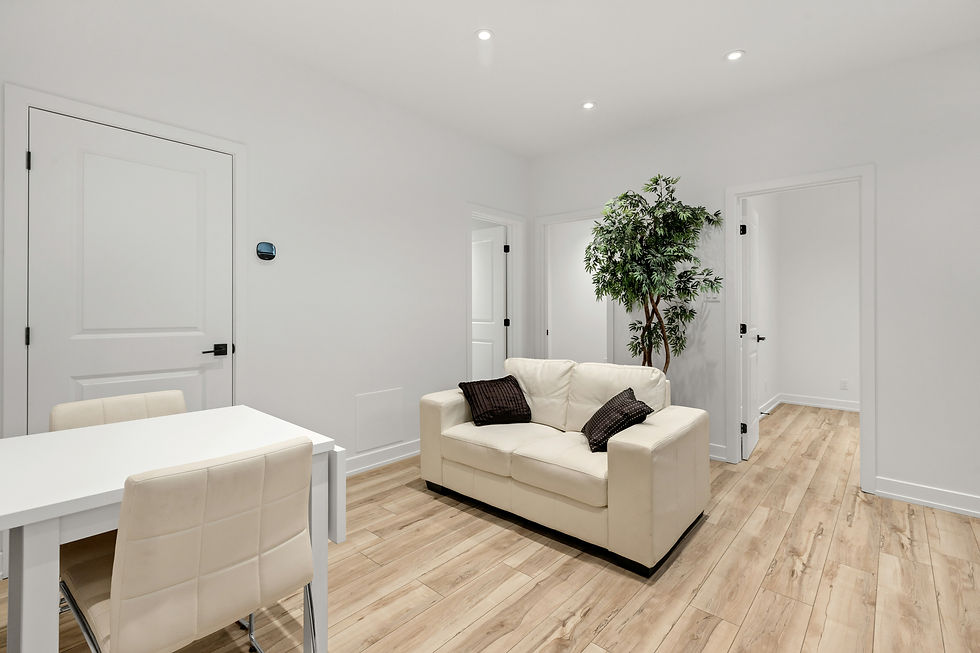
A designer still has to work out whether you prefer warm oak or high gloss white, soft linen or polished marble, bold artwork or empty walls, earthy colours or crisp monochrome. Those decisions shape a home. The three adjectives don’t.
Those decisions shape a home. The three adjectives don’t.
Tell Me What You Actually Like
Whenever someone says they want a clean, modern and simple home, I’d much rather ask a different question. What kind of spaces make you want to stay a little longer? Are you drawn to cosy cafés or boutique hotels? Do you love old timber that tells a story, or do you prefer crisp finishes that feel brand new? Does colour make you smile, or does it make you feel overwhelmed?

Those answers tell me far more than three words ever could.
I don’t think anyone has ever walked into a beautiful home and thought, “This is lovely, but I do wish it felt a bit dirtier, older and more complicated.”
Clean, modern and simple aren’t bad goals. They’re just too universal to be useful. They’re the starting point of a conversation, not the conversation itself.
I don’t think anyone has ever walked into a beautiful home and thought, “This is lovely, but I do wish it felt a bit dirtier, older and more complicated.”
The Television Line We Should Leave On Television
I’ll probably keep watching renovation shows, and I’m fairly sure I’ll keep hearing the phrase every other episode. It still makes me cringe a little every time. Not because I disagree with it, but because we’ve all started borrowing it without asking ourselves what we actually mean.
So next time you’re tempted to describe your dream home as clean, modern and simple, keep going. That’s the warm-up, not the answer. The interesting part starts with the next sentence.


