
From Retro to Refined: 6 Fresh Takes on the Wood Paneling Trend

For homeowners wanting to add texture, warmth and character to their homes, wood paneling has re-emerged as a surprising and versatile solution. No longer just a way to cover a wall, it has become a sophisticated design element in its own right.
Paneling has become a sophisticated design element in its own right.
From creating a dramatic focal point to adding a subtle, organic touch, wood is being used in ways that feel both timeless and completely new.

The Wall-to-Wall World of ‘70s Paneling
The use of paneling on walls dates from the Gothic period, notably the Tudor period in England. Heavy wood was used partly to insulate from the cold, damp climate and partly to showcase wealth in manor houses and country homes. However, in more modern times, it’s the 1970s that spring to mind when you think of wood-paneled family rooms.

The wood used was often dark, such as walnut, teak, knotty pine or even faux laminates with prominent grooves. Often, the whole room was usually covered, giving a uniform look. That went out of fashion in the ‘80s, but as design trends usually do, it came back.

Not Your Grandfather’s Basement
Wood paneling is back on trend for several reasons, with biophilic design a key driver. This philosophy aims to connect the indoors to the outdoors. It incorporates natural materials such as wood and stone whenever possible to induce a sense of calm and well-being.
Humans appear to have a strong positive psychological response to wood — a physiological one, too. Studies have shown that rooms that have 45% wood surfaces lower blood pressure and stress while boosting feelings of comfort.

A second reason for the resurgence is as a counter to minimalism. In an era of flat walls, paneling offers depth, shadow and architectural interest. However, unlike the ‘70s, today it is used more selectively and creatively — as a feature rather than just a covering.

6 Modern Ways to Embrace Wood Paneling
If you would like to get the look, here’s how you can do it without going entirely ‘70s rec room. From focal points to lightweight touches, there’s a wood paneling look for everyone.

1. Create an Architectural Accent Wall
With this approach, you aim for a single focal point. A paneled wall behind a bed anchors the room and removes the need for a bulky headboard. Behind a media console, it can hide wires and create a sleek, integrated look.
The pattern you choose will direct the eye. Use vertical lines to draw the gaze upward, making the ceiling feel higher. Similarly, horizontal planks can make a small room seem wider. A herringbone or chevron pattern adds a sense of luxury and dynamic movement that’s perfect for a high-impact feature.
Consider how to finish the edges for a polished look. You could let it stop at the corners or frame it with trim. You can even create a floating effect by leaving a small gap around the perimeter and adding LED backlighting.

2. Add Dimension With 3D Panels
Forget just planks. Today, you can get a wide range of 3D wood panels in many designs, from bold geometric patterns to ripple effects and slatted options. Many have a felt backing to help absorb sound waves and improve a room’s acoustics.
3D panels are typically easy to install, either with an adhesive backing or with simple nails and screws. Use a ceiling-mounted light fixture or floor uplighting to create dramatic highlights and shadows that accentuate the texture.
Hallways and entryways can gain instant character from such panels. Or, you might like to add them to your home office for better sound quality and a sophisticated, professional backdrop for video calls.

3. Paint the Wood for a Monochromatic Mood
Who says wood paneling has to be wood-colored? Dark green creates an earthy aesthetic, while deep charcoals and rich navy hide dirt and create a jewel-box effect, especially in a powder room, study or small dining room. Alternatively, use white or off-white for some texture without overpowering the space.
The finish of the paint matters. A matte or eggshell finish will look contemporary and soft, whereas a satin or semi-gloss finish will reflect more light, highlighting the paneling profile.
Paint can also be a low-effort, high-impact solution for handling existing paneling you don’t love. Adding a single, unifying color can make the installation feel intentional and fresh rather than dated.

4. Consider the Fifth Wall
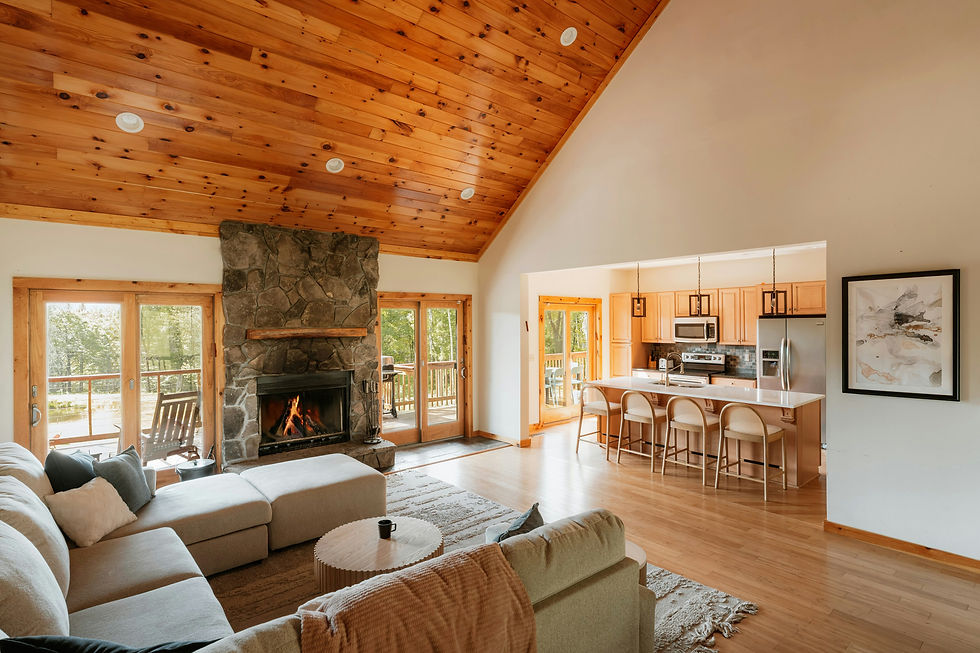
Wood on the ceiling is an excellent idea for covering up a boring or outdated ceiling, and it’s relatively cheap, costing as little as $30, depending on your materials. Be aware that a wood-paneled ceiling can warp or crack over time, so it will need some maintenance.
Weirdly, this installation simultaneously makes a room feel both grander and more intimate. Using paneling on the central portion can create the illusion of a custom tray ceiling, giving the space a high-end, architectural feel.
It’s ideal for a bedroom, home library or bathroom, although in the latter, make sure the wood is moisture-resistant and properly sealed. A light, natural stain keeps a room feeling bright, while a dark stain or moody paint creates a dramatic ambience.
5. Embrace Light and Airy Tones
Most paneling of the past used dark woods. However, modern trends inspired by Scandinavian and Japandi design embrace white oak, maple and birch for a cleaner, fresher, more organic feel.
Using light-colored materials can make small spaces feel bigger, and the natural grain itself becomes the main decorative element. Unlike the heavy knots of ‘70s pine, the subtle, clean lines of rift-sawn oak or the gentle waves of ash provide patterns that are organic and calming.
You might especially want to embrace this if you work from home. A 2023 study found that using light wood in offices reduced stress and increased satisfaction compared to dark styles.

6. Mix Materials for a High-Contrast Look
The idea here is to balance elements. The organic warmth and texture of wood is the perfect counterbalance to the cool, smooth, hard surfaces of other materials.
For example, you could pair dark, slatted wood with the raw texture of a concrete fireplace surround for an industrial-chic look. Or, try using light oak panels next to slabs of marble or quartzite in a bathroom or kitchen for a nature-meets-luxury feel. Think panels framed with a blackened steel trim for a sharp, graphic, modern definition.
Your aim is to create a balanced and visually dynamic composition. Imagine a living room where one wall is paneled in warm walnut, while the adjacent wall features a large, cool-toned abstract painting and the furniture has clean, metal legs — an interesting blend of textures, surfaces and tones.

A Timeless Trend, Reimagined for Today
Wood paneling has been on quite the journey, but what has emerged into 21st-century design is not the dark, uniform panels of the past. Instead, wood is being used in refined, textural, versatile ways that bring out its natural beauty, warmth and aesthetic qualities.
Use it to add character and architectural value to your home while bringing a touch of nature into your life.


