
How To Mix Wood Tones In A Room Without It Looking Wrong

If every wood tone in a room matches perfectly, chances are it was all bought in one go. Table matching the floor, chairs matching the table, and the sideboard… just going along with it. It all works. It all “matches.” And yet somehow, it feels a bit flat.

You know the look. It feels a bit like a furniture showroom where everything was purchased on the same afternoon and no one dared introduce a second opinion.
Real homes rarely look like that. In fact, the rooms that tend to feel the most interesting are the ones where several wood tones live together quite happily. A darker cabinet next to a lighter table. Oak chairs beside a walnut sideboard. A vintage stool that turned up one day and clearly never received the memo about matching.
And yet the room works.

The trick is not avoiding mixed wood tones. The trick is making them feel intentional. Because when the mix is right, a room feels layered and relaxed. When it is not, it can look like the furniture arrived via three different removal companies and no one compared notes.
Start With The Undertone
Wood tones are not just light or dark. They also have undertones. Some woods lean warm with golden or reddish hues. Others lean cooler with grey or slightly ashy tones. This is often where combinations either work beautifully or feel a little uneasy.
For example, a warm walnut dining table next to a very cool grey-toned oak cabinet can feel slightly off if nothing else in the room connects them. Neither piece is wrong, but they are not exactly speaking the same language either.
In those cases, it helps to introduce something that bridges the tones. A rug, textile, or accessory that contains both colours can tie the combination together. Suddenly, the mix looks deliberate rather than mildly confusing.

Let One Wood Tone Take The Lead
Rooms usually feel calmer when one wood tone becomes the anchor. Most of the time, this happens naturally. The floor might set the tone, or the dining table might become the dominant wood element. Once that anchor is established, other pieces can vary around it more easily.
Without that visual anchor, several different wood tones can start competing with each other. With one clear reference point, the variation feels layered instead of chaotic.
Think of it like a dinner party. A little variety makes things interesting. Too many strong personalities without a host and things start getting loud.

Do Not Aim For “Almost Matching”
This is where people often get stuck. Two wood tones that are almost the same but not quite can actually look more awkward than two that are clearly different. A table that is just slightly darker than the floor can feel like a near miss rather than a design decision. Stronger contrast tends to look more intentional.
A pale oak floor with a walnut table works. A dark cabinet beside lighter oak chairs works. When the difference is obvious, it feels deliberate rather than accidental. It is the interior design version of committing to the outfit rather than hoping the colours are close enough.
Stronger contrast tends to look more intentional.
Repeat The Tone Somewhere Else
A single piece of furniture in a different wood tone can sometimes look slightly lonely. If you introduce a new wood finish, it helps to repeat that tone somewhere else in the room. It does not have to be another large piece. A frame, tray, lamp base, or chair leg can echo the colour just enough to make it feel part of the plan.
Designers do this constantly. Once your eye sees a material appear more than once, it immediately feels intentional.
Mix Age As Well As Tone
One of the easiest ways to mix wood tones successfully is simply to mix furniture ages. Vintage pieces rarely match newer furniture perfectly, and that is often exactly why they work so well. The slight variation in grain, colour, and finish makes a room feel layered rather than staged.

In my own home, some of the combinations I like most come from mixing old and new pieces. Vintage furniture tends to arrive with its own personality and seems completely unbothered by matching rules. New furniture sometimes tries a little harder.
Let Other Materials Break Things Up
Wood does not have to carry the entire room. Stone surfaces, upholstery, rugs, metal finishes, and ceramics all help soften the transition between different wood tones. A marble tabletop, an upholstered chair, or a woven rug can sit between two wood finishes and make the combination feel natural.
Without those breaks, too many wood surfaces touching each other can start to feel heavy. Rooms benefit from a bit of variety.

Perfect Matching Is Not The Goal
This is usually the point where people relax. A room does not need perfectly matching wood tones to feel harmonious. In fact, a little variation often makes a space feel more collected and personal. A darker anchor piece, a few lighter elements, perhaps a vintage find that introduces something unexpected.
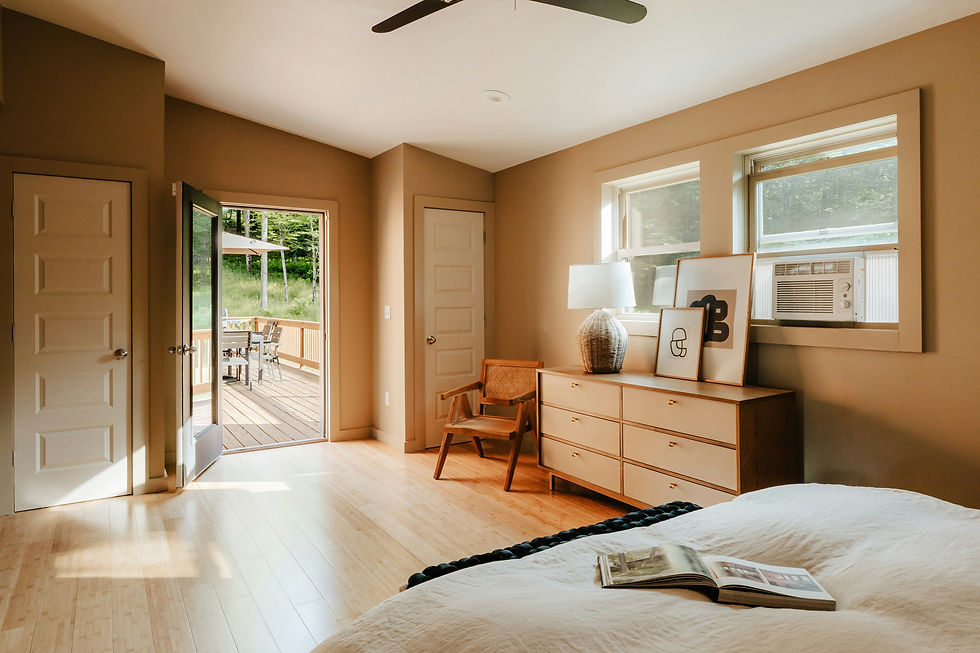
The room starts to feel less like a set you bought and more like a space that’s come together over time. Which, conveniently, is how most homes actually work.
Because when every wood tone matches perfectly, it can feel a bit staged. Let them vary a little, and suddenly it feels lived in. And that is usually when it all looks right.


