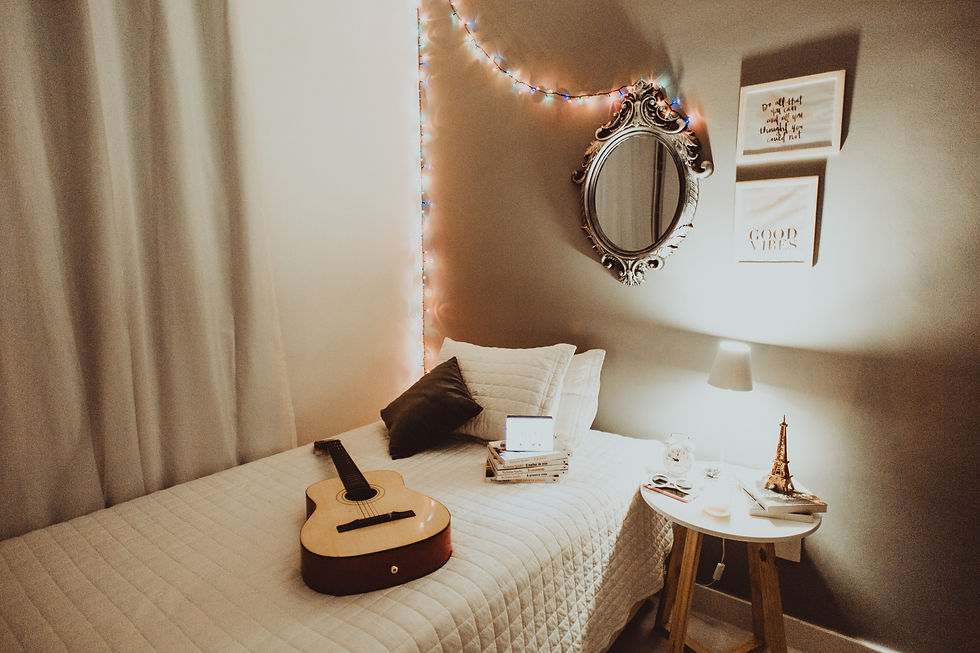
The Art of the Bedside: Styling Your Nightstand for Function and Aesthetics

The space right next to your bed is one of the most important areas in your room, yet it often becomes a catch-all for clutter. It is the last thing you see before you close your eyes and the first thing you reach for in the morning. Getting this small area right can make your daily routine smoother and your sleeping environment more relaxing. It is not just about having a place to put your phone; it is about creating a setup that works for your specific habits.

Styling this surface involves more than just placing a lamp and a coaster down. It requires a balance between looking good and serving a purpose. Whether you have a spacious master suite or a compact urban bedroom, the principles of organizing this spot remain the same.
By focusing on scale, storage, and lighting, you can turn a messy corner into a functional highlight of the room.
Understanding Scale and Proportion
Before you buy any furniture or accessories, you need to look at the numbers. The height of your bedside surface relative to your mattress is the most critical measurement. Ideally, the top of the table should be level with the top of your mattress. If it is too high, you might bump your arm while sleeping. If it is too low, reaching for a glass of water in the dark becomes awkward and uncomfortable. Aim for a height within two inches of the mattress top for the best ergonomics.
Width is another factor that depends heavily on the size of your bed. A massive King-sized bed can make a tiny, spindle-legged table look out of place. Conversely, a bulky cabinet next to a low-profile platform bed can feel overwhelming.
Visual balance is key here. As a general guideline, wider beds pair well with wider tables, usually between 24 and 28 inches. For smaller Full or Queen beds, you can get away with narrower options, keeping the proportions in check so the room feels intentional.
Do not forget about the depth of the piece. You want enough surface area to hold your essentials, but you do not want the furniture to intrude into the flow of the room. If your bed is near a closet door or a walkway, measuring the depth is vital to avoid bruised shins. Make sure there is enough clearance to open drawers fully without hitting the bed frame or blocking your path.

Selecting the Right Storage Features
Your lifestyle dictates what kind of storage you need. If you are a minimalist who only keeps a phone and a glass of water nearby, a simple table with no storage might suffice. However, most people need a place to stash items like reading glasses, hand cream, charging cables, and journals.
This is where the debate between open shelves and closed drawers comes into play. Open shelves look airy and display decor well, but they force you to keep everything tidy since nothing is hidden.
For those who prefer a cleaner visual field, drawers are essential. They allow you to hide the "visual noise" of everyday life. When selecting furniture, think about what you need to store. Deep drawers are great for bulky items like books or tablets, while shallow top drawers are perfect for smaller items like jewelry or lip balm.
Your choice of furniture plays a massive role in how the room functions. If you tend to accumulate clutter, open shelves might not be the best idea. Instead, consider sturdy nightstands that offer ample drawer space to stow away books, chargers, and lotions, keeping the surface clean for just your lamp and a glass of water.

Another aspect to consider is the hardware. Soft-close drawers prevent slamming noises that might wake a partner. Easy-to-grip handles make access simple in the dark. These small details contribute to the overall functionality of the piece. If you choose a piece with a cabinet door, check which way it swings. You want it to open away from the bed so you can access the contents easily while lying down.
Lighting: The Jewel of the Nightstand
Lighting is arguably the most important accessory you will choose. It sets the mood for the evening and provides the necessary illumination for reading. The scale of your lamp should relate to the size of the table. A tiny lamp on a large cabinet looks lost, while a huge lamp on a small table leaves no room for anything else. A good rule of thumb is that the lamp should take up no more than one-third of the table’s width.
The height of the lamp matters for reading comfort. The bottom of the lampshade should be roughly at eye level when you are sitting up in bed. This prevents the glare of the bulb from shining directly into your eyes while casting light downward onto your book or tablet. If surface space is at a premium, consider wall-mounted sconces. They free up the entire tabletop and provide a clean, hotel-like aesthetic that many homeowners love.

Layering light is also a smart move. While a table lamp provides task lighting, you might want softer ambient light for relaxing. Some modern fixtures come with dimmer switches or three-way bulbs, allowing you to adjust the brightness. Smart bulbs are another great option, letting you change the color temperature from a crisp cool white for reading to a warm, soft glow for winding down before sleep.
Styling and Accessorizing
Once the functional pieces are in place, you can focus on making the space look good. The "rule of three" is a classic design trick that works perfectly here. Grouping three items of varying heights creates visual interest. For example, you might pair a tall lamp with a medium-sized framed photo and a small decorative bowl. This variation keeps the eye moving and prevents the arrangement from looking flat or boring.
Adding a natural element brings life to the bedroom. A small potted succulent, a vase with fresh flowers, or even a realistic faux plant can soften the hard lines of books and technology. Just make sure the plant does not require too much sunlight if your bedroom is generally dark. Texture is another way to add warmth. A leather tray, a ceramic dish, or a stack of hardcover books with fabric spines can introduce different tactile elements that make the space feel cozy.
While decorating is fun, resist the urge to overfill the space. The goal is to keep the area functional. Leave enough empty space to set down a cup of tea or your phone without having to rearrange decor. A small tray is a practical accessory that serves a dual purpose: it corrals small loose items like earrings or watches, making the table look organized even if it is holding several things. This helps maintain a sense of order and makes cleaning the surface much easier.

Creating a Cohesive Look
You do not have to buy a matching bedroom set to have a cohesive room. in fact, mixing and matching furniture often results in a more curated, designer look. If you have a wooden headboard, you might choose painted tables to create contrast. Alternatively, if your bed is upholstered in fabric, wood or metal tables can add necessary structure and solidity to the design. The key is to find a common thread, whether it is a color, a material, or a design style like mid-century modern or industrial.
Symmetry is a common choice for bedrooms because it feels balanced and calm. matching tables and lamps on either side of the bed create a formal, grounded look. However, if your room is asymmetrical or if you have different needs than your partner, it is okay to break the mold. You might have a chest of drawers on one side and a round table on the other. As long as the heights are similar and the lamps match, the look will still feel intentional and unified.
Check the color palette of your accessories as well. If your bedding is neutral, your bedside accessories are a low-risk place to experiment with color. A bright lamp base or a colorful jewelry dish can add a pop of personality without overwhelming the room. If you prefer a serene vibe, stick to monochromatic tones—creams, whites, and soft grays—to create a seamless flow from the bed to the table.

Refining Your Bedroom Setup
Creating a bedside area that works for you is a process of trial and error. You might realize after a week that the lamp is too bright or that you need a coaster for your water. Pay attention to these small frustrations and adjust accordingly. The best design is one that anticipates your needs. If you always read before bed, keep your current book and reading glasses in a dedicated spot. If you charge your phone overnight, manage the cords with clips or hidden routing so they do not snake across your table.
Keeping the surface clear requires a habit of "resetting" the space. Take a moment each morning to clear away empty glasses or trash. This simple act makes a huge difference in how the room feels when you return to it at night. A tidy bedside table signals to your brain that it is time to rest, free from the chaos of the day. By combining smart storage solutions with personal style, you turn a simple piece of furniture into a key part of your daily wellbeing.
FAQ About Bedside Styling
How tall should a bedside table be compared to the mattress?
The ideal height is level with the top of your mattress. It is generally acceptable for the table to be two to three inches higher or lower, but anything beyond that can be uncomfortable to reach. Being level or slightly higher is usually better visually than being significantly lower.
Do bedside tables have to match?
No, they do not have to match, but they should relate to each other in some way to keep the room looking balanced. You can achieve this by matching the lamps, keeping the tables the same height, or ensuring they share a similar material or color palette.
What are the absolute essentials to keep on a nightstand?
Keep it to the basics to avoid clutter. A good lamp, a method for timekeeping (like a clock or phone), and a coaster for water are standard essentials. Depending on your habits, you might also include a book, reading glasses, or a small tray for jewelry.
How do I hide charging cords?
You can use adhesive cable clips behind the furniture to keep cords in place. Some modern furniture comes with built-in power strips or cable management holes. Alternatively, running the cord through a drawer back allows you to charge devices inside the drawer, keeping them completely out of sight.
Can I use a chair or a floating shelf instead of a table?
Yes, non-traditional options work well in small spaces or for specific aesthetic goals. A sturdy chair can add a vintage charm, while floating shelves are excellent for minimalist rooms with limited floor space. Just make sure whatever you choose is at the right height and is stable enough for a lamp.