
The Best Paint Colours For North-Facing Rooms

You know that moment where you paint a wall white and somehow end up with something that looks faintly grey, slightly blue and mildly disappointed in life by late afternoon? North-facing rooms do that.
A paint colour that looked warm and creamy online can suddenly feel cold the second it lands in a room with cooler natural light. Suddenly, the warm white you chose is looking distinctly grey by dinner time and every paint sample card you trusted starts feeling slightly suspicious.

North-facing rooms in the northern hemisphere receive cooler, softer daylight throughout the day. That cooler light shifts undertones far more than people realise. Whites can turn grey, beige can suddenly lean muddy, and cooler greys can end up looking about as welcoming as an office waiting room from 2009.

It doesn’t mean north-facing rooms are bad rooms. Far from it. Some of the calmest, cosiest interiors have northern light. You just need to stop choosing paint colours as if the room gets drenched in Mediterranean sunshine all day, when it very much does not.
Why White Paint Becomes Complicated So Quickly
White paint is often where things start going wrong because people assume white is neutral. It isn’t. Every white has undertones, and north-facing light has a talent for dragging those undertones into the spotlight, whether you invited them or not. Crisp bright whites can suddenly feel cold and stark, especially on large walls, while heavily creamy whites can turn strangely yellow once evening lighting kicks in.
Personally, I still tend to prefer lighter colours in north-facing rooms overall. Not icy whites, but softer layered shades that lift the room without making it feel clinical. Once colours become too heavy in already darker rooms, everything can start feeling a bit flat and closed in. Softer off-whites, chalky neutrals and whites with subtle warmth usually give you far more flexibility throughout the day because they still feel light while taking the edge off the cooler daylight.

This is also where people often make the mistake of overcorrecting. They panic after one cold-looking sample and immediately jump ten shades warmer. Suddenly, the walls are peachy beige and the room starts looking permanently stuck in artificial lamplight. North-facing rooms still need freshness. They just need a version of it that feels softened rather than sharp.
The Colours That Usually Work Best
The paint colours that tend to hold up best in north-facing rooms are the ones with a little complexity to them. Soft greiges, muted taupes, chalky warm whites and earthy neutrals generally adapt far better than anything too clean or overly cool.
Colours with very obvious blue or silver undertones can quickly become harsh once the daylight fades, especially during winter months when natural light levels already feel lower.

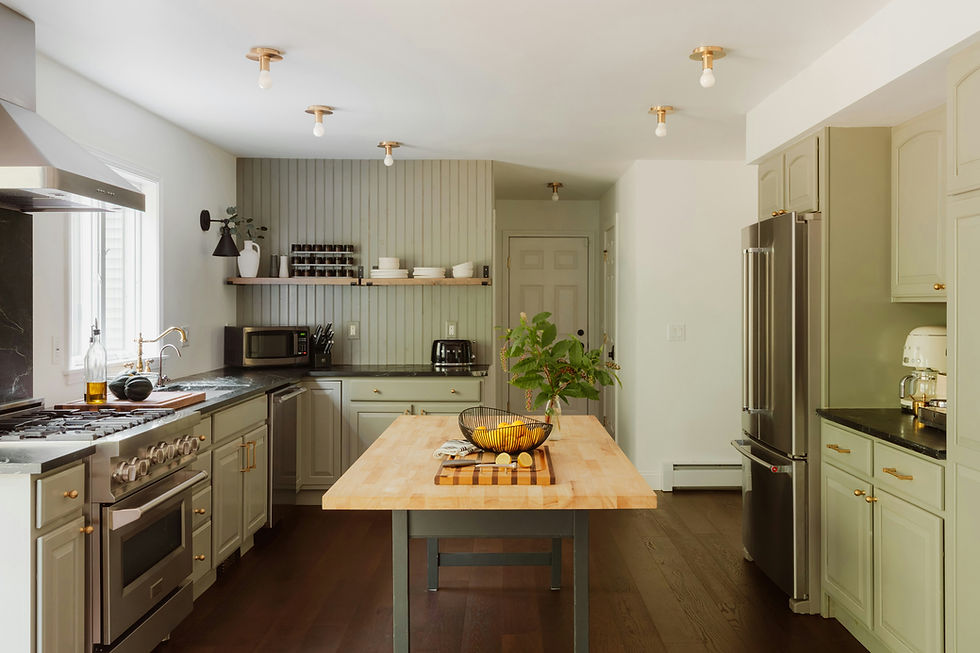
Muted greens can also work beautifully, particularly softer olive tones rather than anything too minty or blue-based. The same goes for dusky pinks and clay tones. They add warmth without screaming for attention, which is often the sweet spot in rooms that already feel cooler naturally.
The key is usually restraint. Once a paint colour tries too hard to inject warmth, it often ends up doing the exact opposite.

There’s also a growing trend of telling people to simply embrace the darkness and paint north-facing rooms deep charcoal or muddy brown. And while that can absolutely work in certain homes, I still generally lean lighter for most north-facing spaces, especially smaller rooms.
A softer palette tends to bounce what little natural light there is around the room more effectively, while still allowing the space to feel calm and layered rather than cold.
Why Paint Samples Lie To You
Paint samples are genuinely one of the least trustworthy things in interior design. That tiny painted square beside a bright window tells you almost nothing about how the room will feel once every wall is covered. Colours shift massively throughout the day in north-facing rooms because the quality of light changes constantly. What looked warm at midday can suddenly look grey by early evening.
Artificial lighting complicates things even further. Cooler LEDs flatten colours quickly, while warmer bulbs can suddenly pull yellow undertones out of nowhere. This is why a paint colour can look lovely during the day and slightly questionable once you’re sitting under lamplight at night wondering why your “soft neutral” suddenly resembles weak custard.

Large samples are always worth the effort. Paint multiple walls if possible, and check them morning, afternoon and evening before committing. It sounds excessive until you’ve repainted an entire room because the undertone you thought was subtle turned out to be aggressively lavender after sunset.

The Goal Is Not To Fake A South-Facing Room
The nicest north-facing rooms are usually the ones that stop trying to imitate brighter spaces elsewhere. Cooler natural light can actually be incredibly soft and calming when the colours around it work with it properly.
There’s a reason artist studios traditionally favoured northern light. It creates consistency and softness rather than harsh sunlight blasting across every surface.

Once you stop expecting the room to feel bright and sunny at all hours, choosing paint becomes much easier. Instead of forcing warmth into every corner, the focus shifts towards creating balance.
Softer whites, layered neutrals and muted earthy tones usually age far better in these spaces than anything too stark or trend-driven. And ideally, they should still look good on a dark February afternoon, because that is usually where the real test begins.


