
Why Grandma Chic Is The New Cool
- Marieke Rijksen

- Feb 9
- 4 min read
There’s a quiet revolution happening in interior design, and it’s coming from a place you might not expect. Think chintz curtains, floral wallpaper, ruffled cushions and vintage china carefully displayed in a cabinet that’s seen decades of Sunday roasts. But here’s the twist. It’s back, and it’s beautiful.
It’s back, and it’s beautiful.
Grandma chic has become one of the most captivating and character-rich styles in the modern design world. And if you ask me, it’s the new cool.
This nostalgic, pattern-filled, knick-knack-loving look is making a strong return for good reason. It offers warmth, soul and a distinctly personal edge. It breaks away from trend-driven interiors and invites people to decorate with meaning.

Comfort Is Craving A Comeback
After years of minimalism dominating interiors, from clean white walls to Scandi-inspired everything, people are starting to crave comfort again. Not just soft throws and squashy sofas, although those help, but a sense of history and personality in their spaces. Grandma chic offers all of that, wrapped in a soft floral print and trimmed with lace.
It is a direct response to the sparse, overly curated spaces that can often lack heart. With grandma chic, imperfection is part of the charm. There’s a story behind every lamp, cushion and teacup. That lived-in feeling is exactly what makes the style feel so fresh.

Nostalgia Meets Modern Edge
Grandma chic isn’t about replicating your gran’s house exactly as it was. It’s about remixing it. It takes the emotional resonance of vintage interiors, like embroidered cushions, crochet throws, decorative plates and classic wallpaper, and pairs them with a contemporary sensibility. Picture a rattan armchair with a bold botanical print cushion. A sleek kitchen softened by floral curtains. A gallery wall of mismatched antique frames hung with care.
This mix of old and new is what makes the look work today. It is deeply personal, but it also feels considered. The key is restraint. Too much can tip into pastiche. Just enough creates that cosy layered elegance that defines the style.

Authenticity Over Perfection
The style photographs beautifully. The layering of textures, the mix of patterns and the abundance of detail all create a visual richness that draws you in. But beyond that, it feels real. In a design world increasingly obsessed with authenticity, a home that looks like it’s been loved and lived in is far more compelling than one that resembles a showroom.
This approach encourages people to embrace what they already have. A mismatched armchair. A worn rug with a good story. A piece of family china used as a jewellery tray. These are the details that make a space feel like home.

A Natural Fit For Sustainable Living
Another reason for the rise of this style is its alignment with slow decorating and sustainability. Instead of rushing to furnish a home with mass-produced items, grandma chic encourages building interiors over time. It is about collecting, curating, reusing and repurposing.
Vintage and antique pieces take centre stage. Whether it’s a claw-foot side table from a car boot sale or a lamp picked up in a charity shop, these items bring originality and depth. They also reduce waste and move away from disposable décor. No one else will have the same exact combination and that’s where the magic lies.

The Grandma Chic Colour Palette
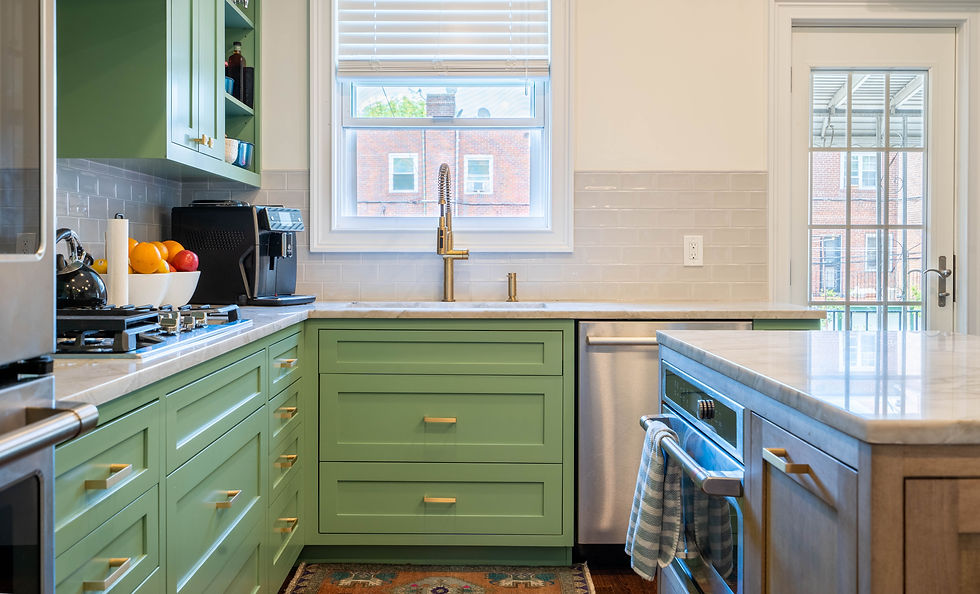
The colours that define the style are soft and inviting. Sage green, dusky rose, faded blue, warm neutrals and mustard all make frequent appearances. They evoke a sense of comfort and calm, and they work beautifully with pattern.
Bolder shades like maroon, olive or rust can be introduced through smaller accessories to bring in contrast without overpowering the look. Layering is key. Begin with a base of soft neutrals and build with cushions, upholstery, curtains and artwork. The effect is gentle but rich.
Key Elements Of The Look
There’s no single formula, but there are several recurring features that give grandma chic its signature charm. These are the details I return to when styling homes with a softer, nostalgic feel:
Patterned fabrics including florals, gingham, toile and tapestry
Traditional furniture with curved legs, turned wood or a skirted silhouette
Decorative details such as fringe trims, embroidered linens and pleated lampshades
Collected objects like vintage china, books, portraits and candlesticks
Soft lighting with warm-toned bulbs and fabric shades
Natural materials, including rattan, oak, cotton, wool and linen
These elements work best when mixed thoughtfully. I always recommend blending vintage pieces with more modern forms to prevent the space from feeling like a set. A contemporary sofa with a floral cushion. A vintage cabinet with clean lines nearby. The tension between eras is what gives the look its energy.

The Appeal Of A Lived-In Look
What makes grandma chic so enduring is its emotional core. It reminds us of people, places and moments we treasure. But it also gives us room to express ourselves in a way that newer trends often don’t. There is space for personal collections, family photographs, old furniture and mismatched ceramics. It is a style that makes room for history.
It is also adaptable. You can incorporate it into a whole home or introduce subtle touches in one or two rooms. A floral armchair in the corner of a minimalist space. A crocheted throw layered over crisp bed linen. These details soften the edges and create a sense of warmth.

Bringing Back The Charm
While I enjoy exploring new trends, I always come back to styles that tell a story. Grandma chic does just that. It is not about replicating a look from the past but about drawing from it with affection and creativity. It invites you to look around at what you already have and ask how it could be used differently. It rewards the curious and the sentimental.
It is cool in a quiet, confident way. It does not try too hard. It simply creates spaces that feel like they matter. Spaces that are used and loved. And for me, that’s what good interior design is all about.


