
How a Need for Nostalgia Is Influencing the Modern Folklore Design Trend

Home design is leaning away from those stark, ultra-minimalist spaces that dominated Pinterest and Instagram for years. Rooms are feeling softer, a little more colorful and a lot more personal.
These design elements are hallmarks of modern folklore. This trend embraces warmth and character through heritage interiors, handmade objects and vintage finds. Its goal is to make the home feel like it has a story to tell.

Here’s how you can bring some of that cozy, nostalgic feeling into your own home.
What Exactly Is Modern Folklore Design?
Modern folklore is a softer, more subtle interpretation of heritage-inspired design. Think natural textures, layered textiles, folk-art details, painted furniture, woven baskets, gingham and braided rugs.
This design is all about borrowing the feeling of older interiors, from their warmth and craftsmanship to their imperfections. Objects feel collected rather than purchased all at once. A defining characteristic of modern folklore is its rejection of the overly mass-produced and polished. That’s why handcrafted details and personal touches take center stage. As a result, the home feels more individual rather than interchangeable.
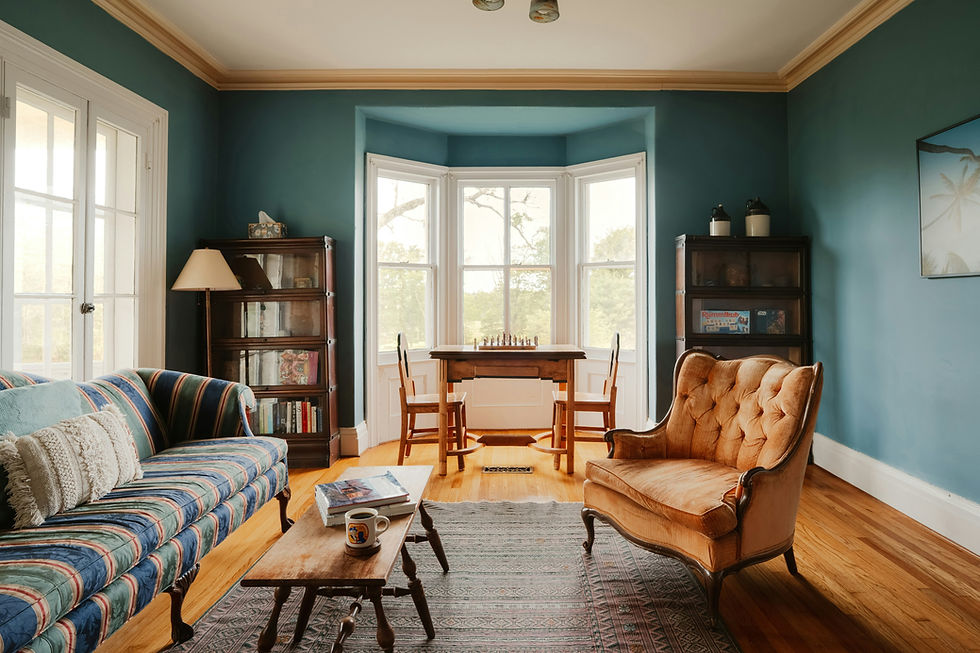
Modern folklore also sits comfortably alongside other cozy, storybook-inspired movements. For example, burrowcore focuses on intimacy, natural textures, soft lighting, whimsy and the feeling of retreating into a safe and comforting space.
The Psychological Pull of Nostalgic Interiors
Familiar objects and traditional design cues can offer a sense of continuity. Nostalgia can benefit psychological health by reinforcing feelings of belonging, continuity and meaning. A chair can remind you of your grandparents' dining room. A floral pattern can bring back a childhood bedroom. A ceramic bowl can recall holidays spent at a family member's house.
Research has linked nostalgic reflection with the ability to foster social connectedness, meaning those seemingly small emotional associations may be part of what makes a room feel comforting rather than simply good-looking. Modern folklore taps directly into that instinct. It gives you permission to surround yourself with reminders of people, places, traditions and moments that matter in your life.

Key Elements of the Modern Folklore Aesthetic
The secret to modern folklore is that it shouldn't look like you bought an entire collection from one store. In fact, the opposite is true. The most successful spaces feel accumulated. You might have a new sofa, an old wooden side table, a handmade ceramic vase, a vintage painting and a rug you've had for years. None of them necessarily match, but together they create a visual history.
These are the three main aspects to keep in mind:
Handcrafted and natural materials: Look for wood, stone, woven fibers, linen, cotton, ceramic, rattan and other materials with visible texture and small imperfections.
Narrative motifs rooted in tradition: Folk-art florals, gingham, botanical patterns, embroidery, quilting, traditional ceramics and other heritage-inspired details can add personality without making the room feel themed.
A sense of slow curation: Mix old and new by displaying things you've inherited and leaving room for pieces you discover along the way.
Below are some simple ways to incorporate this design aesthetic into your space.

Use Warm, Earthy Colors
If your home is currently dominated by cool gray, bright white or icy neutrals, color is an easy place to incorporate a modern folklore design element. A few thoughtful changes can shift the atmosphere dramatically. Try building your palette around warm, grounding shades such as rich browns, warm terracotta, deep greens, creamy ivories and muted neutrals.
These colors create the visual equivalent of a warm blanket. They also work beautifully with the natural materials that define the style. A deep green wall can make wooden furniture feel richer, while creamy ivory upholstery provides a softer alternative to stark white. You don't have to abandon neutrals completely, either. The trick is choosing neutrals with warmth and variation rather than making every surface the same shade of white.

Embrace Tactile Finishes
The kitchen is one of the most important gathering spaces in a home, so it's a natural place to introduce modern folklore's tactile approach. One noticeable shift in countertop trends is the move toward honed and matte finishes rather than traditional high-gloss polish. These low-sheen surfaces have a softer, velvety quality and tend to feel more natural and inviting.
When choosing materials, don't just ask if it looks good. Check how it feels. A honed stone countertop, visible wood grain, handmade tile or slightly imperfect ceramic backsplash can give a kitchen a sense of authenticity that a perfectly glossy surface sometimes lacks.

Welcome Nature and Natural Light
Modern folklore isn't only about looking to the past. It’s also about creating a stronger relationship with the natural world. Maximize natural light wherever you can. Keep windows open, arrange furniture so sunlight can move through the room and use mirrors strategically to bounce light around darker spaces.
Bring nature indoors with plants, branches, flowers, woven materials, wood, stone and organic shapes. These elements are associated with biophilic design, an approach that aims to strengthen our connection with nature through the built environment.
Even something as simple as a wooden stool beside a sunny window, a bowl of fruit on the kitchen counter or a vase filled with garden cuttings can make a room feel more grounded.

Decorate With Meaningful Artifacts
Look for vintage pieces at flea markets and thrift stores. Display inherited objects instead of hiding them away to make your home truly personal. You can also frame old written recipes, postcards, botanical prints or family photographs. In fact, framing your photos can boost dopamine levels as you can look back on the memories.
If an object has a story, it functions as folklore. If it doesn't, it's just decor. That distinction keeps modern folklore from becoming another overly prescriptive design trend. The point isn't to recreate somebody else's version of a nostalgic home. Use your own vision and treasured items.

Build Your Own Everyday Escape
In a world that constantly encourages you to replace, refresh and upgrade items, there's something comforting about a design style that celebrates keeping things. The key to modern folklore is keeping the little objects that remind you of where you've been and with whom you've shared your life.
That's what makes this trend feel so much more meaningful than a simple color palette or decorating formula. It's about creating a personal sanctuary that honors the past while supporting your everyday well-being.


