
The Strange Things People Become Obsessed With When Renovating

When people decide to renovate, they expect to learn a few things along the way. They might become familiar with planning applications, building schedules or kitchen layouts. What most people do not expect is to develop surprisingly detailed knowledge about grout colours, socket placement and the subtle differences between six shades of white paint that initially looked identical.

For a few months, sometimes a few years, ordinary homeowners become deeply invested in subjects they had barely considered before. They learn terminology they never knew existed, develop opinions they never expected to have and spend remarkable amounts of time researching products they will probably never think about again once the project is finished.
One day you're choosing a kitchen. A few months later you're explaining the difference between satin brass and brushed brass to someone who was only trying to be polite. Looking back, it all feels slightly ridiculous. At the time, however, every decision feels entirely justified.
White Paint Becomes A Research Project
Few renovation surprises catch people off guard quite like choosing white paint. Most homeowners begin the selection process believing white will be the easiest colour in the entire house. Compared to choosing a dark green kitchen or committing to a patterned wallpaper, white seems reassuringly simple. Then the sample pots arrive and it becomes apparent that white is not one colour at all.

Walls become covered with test patches and paint cards start travelling from room to room to see how they look in different light. The white that looked fresh and bright in the shop suddenly appears yellow at home. Another develops a blue cast in the afternoon. A third somehow changes personality depending on the weather. Family members who had no interest in paint two weeks earlier are now discussing undertones over dinner.
The differences are often real. Paint colours respond to light, orientation and surrounding materials in ways that can be surprisingly dramatic. Understanding that tends to make people even more invested in finding the right one. What started as the easiest decision in the house can easily become one of the longest.

You Learn More About Grout Than You Ever Wanted To
Most of us go through life barely noticing grout. It sits between tiles for years without attracting much attention at all. Then a renovation begins and suddenly people are comparing grout samples with the sort of concentration normally reserved for much larger decisions.
White grout feels clean and classic until somebody mentions how difficult it can be to keep looking pristine. Dark grout feels practical until concerns emerge that it may dominate the design. Grey appears to offer a sensible compromise right up until everyone realises there are approximately fifty versions of grey available.
Grout may be a small detail, but it is repeated hundreds or thousands of times throughout a room. A decision that seems insignificant on a sample board starts feeling much larger when it stretches across an entire floor or shower wall. Whether anyone else notices the difference is debatable. The person choosing it certainly will.

Flooring Stops Being Something You Walk On
At some stage during a renovation, flooring transforms from a practical necessity into a surprisingly personal decision. People who have spent years walking across floors without a second thought suddenly find themselves researching plank widths, timber species and laying patterns with remarkable dedication.
Flooring influences almost everything else in the room. It sits beneath every piece of furniture, every rug and every decorative choice. Selecting a floor often requires imagining a finished room that does not yet exist, which is a surprisingly difficult exercise. A timber sample sitting on a dining table somehow becomes responsible for the success or failure of an entire interior scheme.

Many homeowners discover strong preferences they never knew they possessed. They realise they like wider boards, dislike glossy finishes or have unexpectedly firm views on herringbone flooring. Six months earlier, none of this information existed. Renovation has a habit of uncovering opinions nobody knew they had.

Everybody Becomes An Amateur Lighting Specialist
Most people begin with a fairly straightforward understanding of lighting. They know they need lights and would ideally like the room to be bright enough to see what they're doing. By the end of a renovation, many can comfortably discuss colour temperatures, dimmers, task lighting and layered lighting schemes.
A beautiful kitchen can feel flat under poor lighting. A carefully chosen paint colour can look entirely different depending on the bulb used. Once people notice how much influence lighting has, they start paying attention to details they previously ignored. Restaurants, hotels and friends' homes suddenly become opportunities for lighting analysis.

The same thing often happens with light switches. After spending months planning a renovation, it starts feeling important that the switches complement the rest of the design. This might sound excessive to anyone who has never renovated, but it makes perfect sense when viewed alongside hundreds of other decisions that all contribute to the finished result.

Socket Placement Becomes A Strategic Exercise
Electrical outlets rarely generate excitement until somebody asks where they should go. That simple question can lead to surprisingly detailed conversations about coffee machines, bedside lamps, charging stations and vacuum cleaners. Homeowners start mentally walking through their daily routines, trying to anticipate future needs before a single piece of furniture has even been moved into the room.
People begin noticing sockets everywhere. They spot badly positioned outlets in hotels, inconvenient charging points in cafés and missing sockets in friends' homes. Once the subject enters your awareness, it becomes difficult not to see it.
Good socket placement genuinely improves how a home functions. Nobody notices an outlet when it is exactly where it should be. Everyone notices when they have to stretch a cable across the room because it isn't. That practical importance helps explain why so many homeowners suddenly become invested in a subject they previously ignored.

The House Turns Into A Sample Library
Every renovation eventually reaches a stage where samples begin taking over the house. Paint cards cover tables, tile samples lean against walls and timber offcuts appear in corners. Fabric swatches emerge from drawers and seem to multiply overnight. Throwing any of them away feels reckless because each one still represents a possible decision.
Visitors often find this stage amusing. Homeowners generally do not. They are too busy carrying samples from room to room, comparing them under different lighting conditions and trying to predict how everything will work together. What appears obsessive from the outside feels entirely logical from within the renovation bubble.
These samples provide a degree of certainty in a process filled with unknowns. Renovations involve substantial investments, and most people would rather spend an extra week comparing options than spend years regretting a rushed decision.

The Things Nobody Sees Often Matter Most
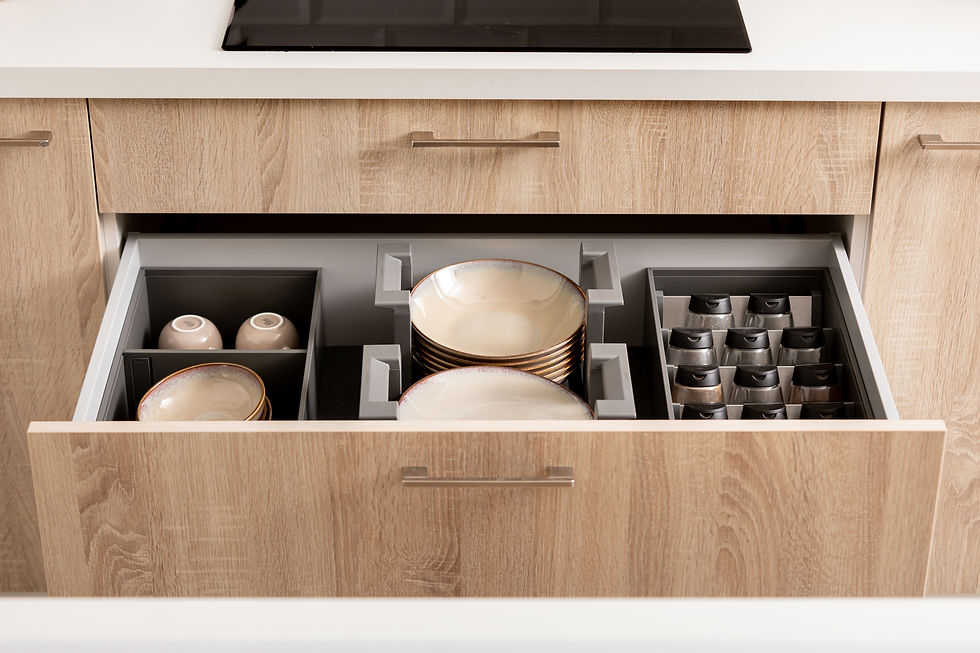
Renovations have a habit of shifting attention towards details that visitors will never notice. Internal drawer organisers, pantry systems, wardrobe layouts and storage accessories rarely feature in glossy magazine photographs, yet they often become major discussion points during a project.
Homeowners stop thinking purely about appearances and start focusing on everyday life. They begin considering how they cook, where they store things and which routines create frustration. The hidden details often have a greater impact on daily living than the decorative elements that receive most of the attention.

Years after a renovation is finished, people are far more likely to appreciate a well-organised kitchen drawer than remember the exact model number of a tap. Function has a way of proving its value over time.
Renovation Changes The Homeowner Too
Looking back, most people struggle to remember every decision they agonised over during a renovation. The grout colour that once felt critical becomes a distant memory. The hours spent comparing white paint samples fade into the background. The project eventually settles into everyday life and stops feeling extraordinary.
Years later, many homeowners are left with an odd collection of knowledge they never intended to acquire. People who never cared about colour temperatures suddenly know exactly which light bulbs they prefer. Homeowners who had no interest in drawer organisers develop strong views on storage. Somebody who once thought grout was simply grout now has a favourite grout colour.

People who have renovated are often remarkably keen to offer advice. They recognise the journey ahead. They remember standing in front of a wall of tile samples, wondering how so many options could possibly exist. More importantly, they know that before long, someone who currently has no opinion about grout will probably have several.
The renovation itself may only last a few months, but the strange collection of knowledge tends to hang around much longer. Long after the builders have left and the dust has settled, people still find themselves noticing flooring, assessing lighting and quietly judging socket placement in other people's homes. Whether they wanted this information or not is another matter entirely.


